

Some links on our site may earn us a commission at no extra cost to you. Learn more.
A Western North Carolina road trip strings together Cherokee, the Blue Ridge Parkway, and Asheville. The loop also climbs to the high peaks around Mount Mitchell and Craggy Gardens. Six days gets you time to hike, float, and eat a real meal instead of granola bars in the car. Four days still works. Just skip the side trips and stay on the Parkway corridor between Cherokee and Asheville.
I’ve run this loop more than once. Usually there’s a dog stretched across the back seat, or a niece or nephew arguing over the radio. Western North Carolina doesn’t reward rushing. The best stops here aren’t things you catch from the car window. A split-rail fence at a farm museum. An elk herd grazing at dusk. Pack layers no matter the month. The Parkway runs 4,000 to 6,000 feet up. An overlook can run twenty degrees colder than the valley you just left.
Where to Visit in Western North Carolina
The loop runs counterclockwise from Cherokee. It climbs into the mountains at Cataloochee, then up the Parkway to Asheville. From there it swings out to the high peaks, then back down through Chimney Rock and the waterfalls south of the city. Drive times below are rounded to the nearest half hour and assume no stops. Add time for every overlook, because you will pull over. Base yourself in Cherokee or Bryson City for the first two nights, then move to Asheville for the rest of the loop — it cuts the backtracking in half and puts you closest to the Parkway’s best stretch for the middle days.
| Day | Base | Main Stops | Drive Time |
|---|---|---|---|
| 1 | Cherokee, NC | Horseback riding, Oconaluftee Mountain Farm Museum | Arrival day |
| 2 | Bryson City | Deep Creek, Fontana Lake and Dam | ~30 min |
| 3 | Waynesville to Asheville | Cataloochee Valley, Blue Ridge Parkway | ~2.5 hrs |
| 4 | Asheville | Downtown Asheville, Biltmore Estate | Local |
| 5 | Asheville | Mount Mitchell, Craggy Gardens | ~1.5 hrs round trip |
| 6 | Asheville loop | Chimney Rock, Lake Lure, Sliding Rock, Asheville waterfalls | ~2.5 hrs |
Things to Do in Cherokee, NC
Start in Cherokee, the Qualla Boundary town at the Parkway’s southern end. Horseback riding outfitters work the ridgelines above town. Rides run an hour to a half-day, no experience required. It’s a good way to burn off a long car ride before you’ve even unpacked. Most outfitters run from spring through fall and close down for a stretch of winter, so call ahead if you’re planning a cold-weather trip.
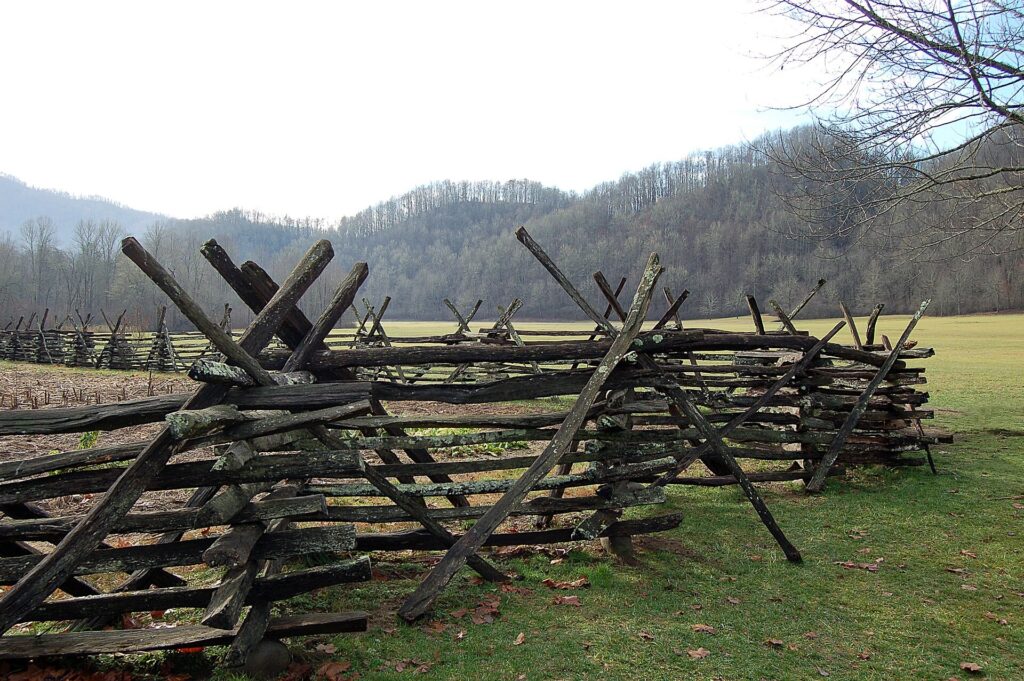
Just north of town, stop at the Mountain Farm Museum by the Oconaluftee Visitor Center. It’s a cluster of real log buildings moved here from farms around the park — a barn, an apple house, a split-rail fence still standing the old zigzag way. Ten minutes covers it. Twenty, if you read every sign.
From Cherokee, it’s a short run to Deep Creek for tubing and waterfalls. It’s not much farther to Fontana Lake, where the dam holds back the deepest water in the region. Both make an easy half-day before you turn east toward Cataloochee.
Cataloochee Valley
Cataloochee Valley is the quiet detour most itineraries skip. It’s the reason to leave early. The gravel access road alone filters out the crowds. The National Park Service reintroduced elk here starting in 2001, and the herd has been the valley’s main draw ever since. Dawn and dusk are when they’re out in the open fields.

Give the herd real space. These are wild animals, not a petting zoo, and a bull elk in rut wants no part of a closer photo. Once you’ve had your fill, backtrack out and pick up the Blue Ridge Parkway toward Asheville. The Parkway climbs over the highest point on its entire 469-mile length not far from here. Budget extra time for the overlooks.
Best Things to Do in Asheville, NC
Asheville is the loop’s real base. Plan two nights here at minimum. Downtown is walkable: Pack Square, the River Arts District’s converted warehouses, breweries within stumbling distance of each other. It’s also the one stretch of this trip where you don’t need the car for a full day. Give the River Arts District a slow morning — it’s old warehouses turned into open studios, and most artists don’t mind you watching them work.

Set aside a separate half-day for the Biltmore Estate just south of downtown. It’s a ticketed house tour and gardens, not a drive-by. Don’t try to fold it into an already packed Cataloochee-to-Asheville day. Book it for the morning after you arrive instead.
Mount Mitchell State Park
From Asheville, the Parkway climbs north to Mount Mitchell. North Carolina State Parks lists it at 6,684 feet, the highest point east of the Mississippi River. A short paved path runs from the parking area to the observation tower. The summit itself takes almost no effort. The work is all in the drive up.
Fog rolls in fast at that elevation, even on a clear morning in the valley. Check the Parkway’s road conditions before you go. Wind gear helps more than a heavier jacket. On the way back down, stop at Craggy Gardens for the balds — open, treeless summits with views nearly as wide as Mitchell’s, minus the tower.
Chimney Rock State Park
The last full day loops south to Chimney Rock State Park. An elevator and a stair climb both get you up the granite spire the park is named for. Lake Lure spreads out below. Wooded hills ring the shoreline and turn the water a deep, steady blue on a clear afternoon.

On your way back toward Asheville, swing past Sliding Rock in Pisgah National Forest, if the day is warm enough for a plunge into cold water. Time it for midday. The pool stays busy, and the rock itself is more fun in full sun.
Waterfalls Near Asheville
Close the loop with the waterfalls near Asheville. It’s a short list of falls close enough to the city to fit into a departure afternoon. Pick one or two rather than chasing all of them. The trailheads are scattered, and the payoff per stop is similar.
Heading home through Tennessee instead of back down the Parkway? The horseback riding in Cherokee National Forest makes a worthwhile last stop. It’s a different forest on the Tennessee side, with the same name as the town you started in. That mix-up trips up more travelers than it should.
Western North Carolina Attractions
- Mount Mitchell and Craggy Gardens for the widest views on the trip, best done early before clouds build.
- Cataloochee Valley for elk, at dawn or dusk, on the gravel road most people skip.
- Chimney Rock and Lake Lure for the one stop where an elevator does the climbing for you.
- Sliding Rock for the one stop where you get soaked on purpose.
You’ll need the park’s parking tag anywhere the route enters Great Smoky Mountains National Park: Cherokee’s Oconaluftee area, Deep Creek, Cataloochee. NPS prices it at $5 for a day, $15 for a week, $40 for a year. It’s sold online and at visitor centers.
Best Time to Visit Western North Carolina
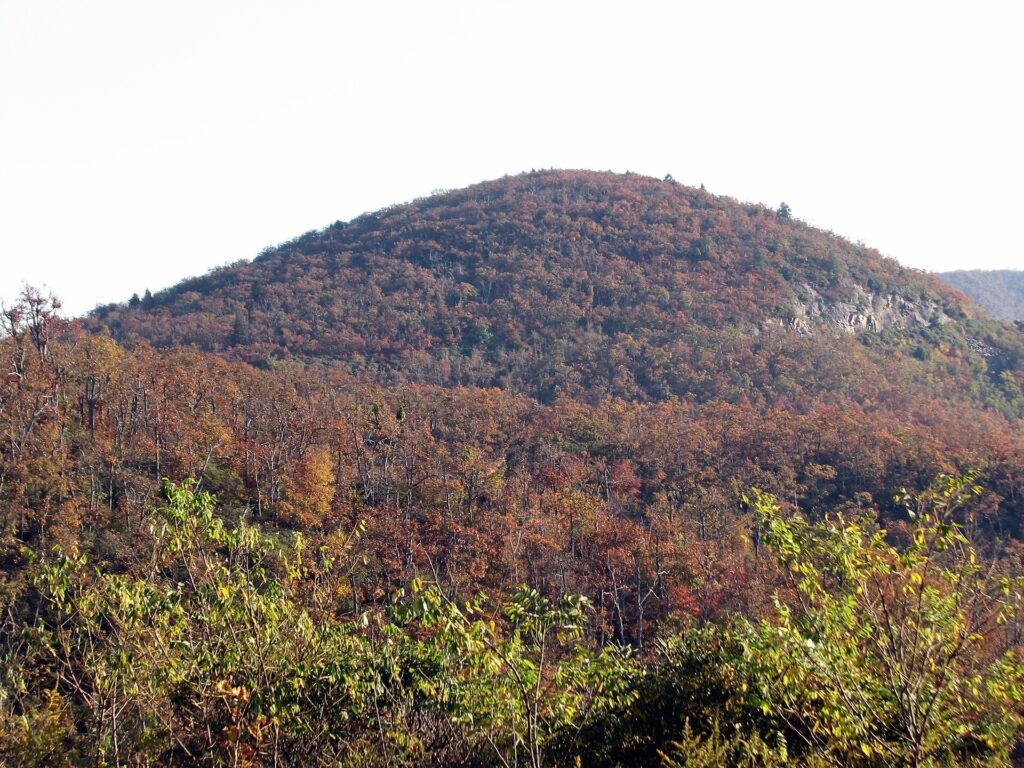
October is the loop at its best, and its most crowded. Fall color moves down the elevation gradient over about a month. Late September starts it at Mount Mitchell and Craggy Gardens. By late October it’s reached Asheville and Lake Lure. Book Asheville lodging months out if you want an October weekend.
Spring is our second choice. Fewer people, wildflowers on the Parkway, and water still cold enough that Sliding Rock feels like a dare, not a relief from the heat. Summer works for the float trips and the horseback riding. Expect afternoon storms on the high peaks, and a real crowd at Chimney Rock by mid-morning.
Road Trip FAQ
How many days do you need for a Western North Carolina road trip?
Six days covers the full loop with time to actually stop at things. Four days works if you cut Cataloochee and the Chimney Rock detour and stay on the Cherokee-to-Asheville corridor.
Is the Blue Ridge Parkway open year-round?
Sections close for weather, especially in winter, and closures shift year to year. Check the Parkway’s current road status before you drive, particularly above 5,000 feet.
Do you need a parking tag for this loop?
Yes, anywhere the route enters Great Smoky Mountains National Park: Cherokee’s Oconaluftee area, Deep Creek, and Cataloochee. Stops on the Blue Ridge Parkway and around Asheville don’t require it.
Is this loop good for kids or dogs?
Both, with planning. The Mountain Farm Museum, Sliding Rock, and Lake Lure are easy with kids. The elk viewing and most overlooks are dog-friendly on leash. Biltmore’s house tour is the one stop where a dog waits in the car or a shaded spot outside.
What should you pack for a Western North Carolina road trip?
Layers, always — the Parkway’s elevation swings the temperature more than the calendar does. Add a rain shell, real hiking shoes for Craggy and Mount Mitchell, and water shoes if Sliding Rock is on the list. A cooler for the car earns its space; towns thin out between stops.
Prices are approximate, current as of publication, and change frequently — confirm the latest price with the retailer before buying.
Published September 28, 2026.
Photo credits: (1) featured, Sunset over the mountains along the Blue… — U.S. Department of the Interior, U.S. Government work, public domain, via Wikimedia Commons; (2) A split rail fence at the Mountain Farm… — Galen Parks Smith, CC BY-SA 3.0, via Wikimedia Commons; (3) A herd of elk grazing in an open field in… — Will Thomas, CC BY-SA 3.0, via Wikimedia Commons; (4) The Asheville, North Carolina skyline seen… — Bill McMannis, CC BY 2.0, via Wikimedia Commons; (5) The blue water of Lake Lure surrounded by… — Wiper México, CC BY-SA 3.0, via Wikimedia Commons; (6) Autumn color seen from an overlook at… — bobistraveling, CC BY 2.0, via Wikimedia Commons.