

Some links on our site may earn us a commission at no extra cost to you. Learn more.
Yes, you can ride a horse in Cherokee National Forest. The Forest Service designates trail mileage across the forest’s two Tennessee sections, plus horse camps for riders hauling their own stock. Starr Mountain and Citico Creek carry most of that mileage. A couple of private outfitters run guided rides near the boundary if you don’t own a horse.
I’ve ridden Cherokee National Forest’s trails on a rented horse. The pace is the whole experience. You’re not covering ground fast. A forest horse walks a switchback like it’s done it a thousand times. My knees were sore by the second hour, and nobody warns you about that beforehand. Stream crossings get your attention fastest; the horse reads the water better than you do. It’s slower than the same ground on foot, and tiring in a different set of muscles entirely. Of all the places we’ve ridden in the Southeast, Cherokee country on both sides of the Tennessee-North Carolina line has been the best of it. The North Carolina side has its own guide, things to do in Cherokee, NC.
Quick facts
| Detail | What to know |
|---|---|
| Location | Two sections, wrapping the Smokies’ north and south sides |
| Districts | Ocoee/Hiwassee, Tellico, Unaka, Watauga |
| Main horse trails | Starr Mountain (~20 mi) and Little Citico, Citico Creek Wilderness (15+ mi) |
| Wilderness group limit | 12 riders, Citico Creek Wilderness |
| Lost Corral Horse Camp | 20 sites, $15/night, Starr Mountain trailhead |
| Young Branch Campground | 25 stalls, temporarily closed |
| Old Forge Recreation Area | Primitive tent camping, Jennings Creek, horses permitted |
| General entrance fee | None — permits are for specific uses, not entry |
| Guided rides near the forest | $25/hour, 2-person minimum, per Big Creek Stables |
Where Is Cherokee National Forest?
Cherokee National Forest runs down the eastern edge of Tennessee. It’s split into a northern and a southern half by Great Smoky Mountains National Park, which sits between them. The northern section stretches from around Bristol and Elizabethton down toward the park’s northern boundary. The southern section picks up on the park’s other side. It runs down past Ducktown and Tellico Plains toward the Georgia and North Carolina lines. Put together, the forest wraps most of the Tennessee side of the Smokies without actually being part of the national park. That distinction matters for a rider. The horse trails, camps and rules below belong to the Forest Service, not to the park next door.
Cherokee National Forest Ranger Districts
Four ranger districts manage the forest: Ocoee/Hiwassee and Tellico in the southern section, Unaka and Watauga in the north. The horse trail systems in this piece sit mainly in the southern half, around Starr Mountain and Citico Creek. Both are administered out of the Tellico area. That’s worth knowing before you plan a trip. The two halves of the forest are a long way apart by road, and a trailer hauled to the wrong district means a wasted day.
Cherokee National Forest Horse Trails
Horses are allowed on many designated trails across the forest, plus open and closed forest roads, per the Forest Service’s own recreation page. Two systems carry most of the dedicated mileage. Starr Mountain Horse Trails run about 20 miles, from short loops to rides long enough to fill a full day. The Little Citico Horse Trail Complex adds more than 15 miles of backcountry trail inside Citico Creek Wilderness. Groups there are capped at 12 riders. Old Forge Recreation Area, along Jennings Creek, also permits horseback riding alongside its hiking and fishing use. None of these are the wide, graded bridle paths some state parks build. They’re forest trail, switchbacks and stream crossings included, which matches what riding here actually feels like.
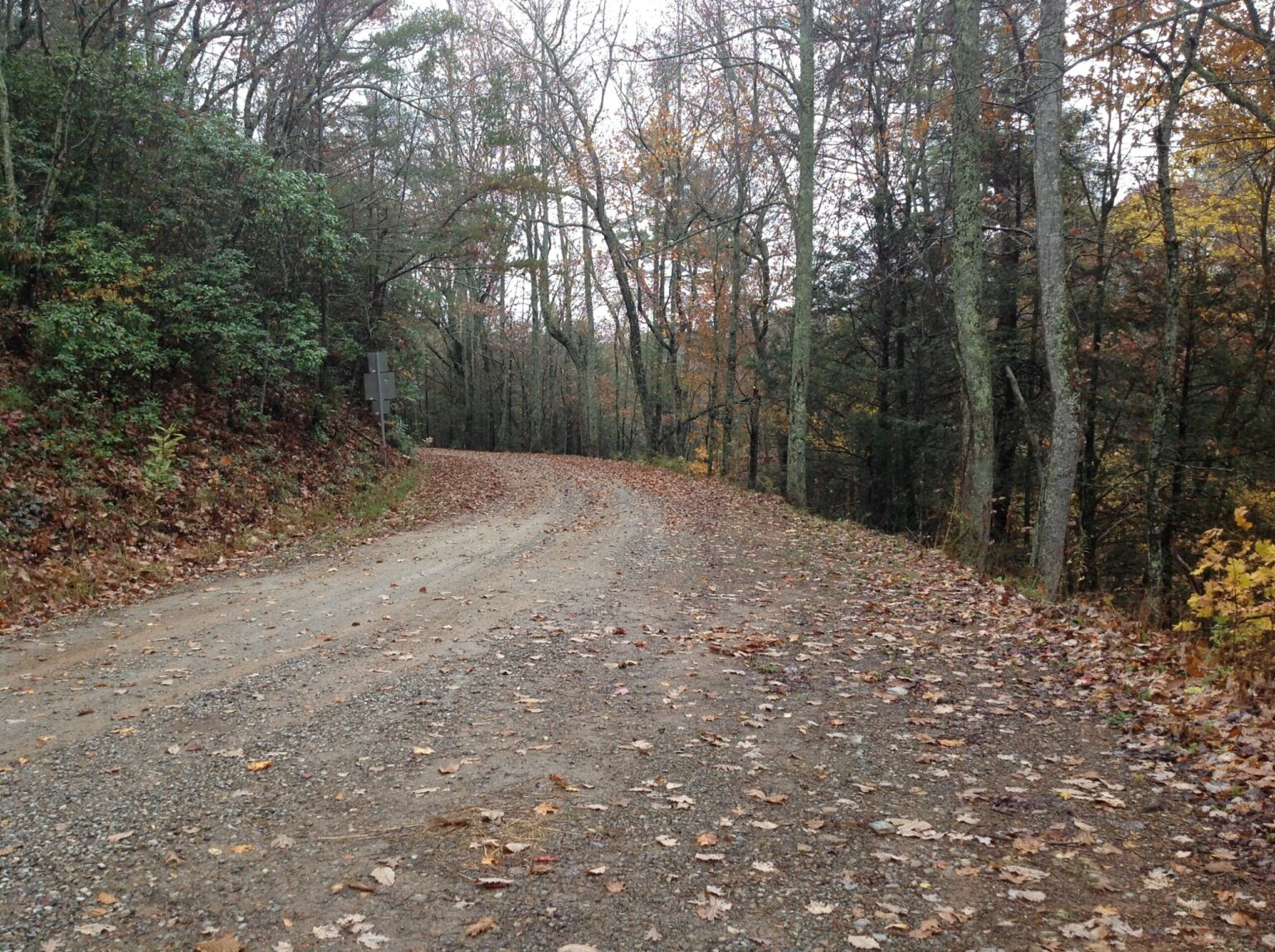
Starr Mountain Horse Trails
Starr Mountain is the workhorse of the two systems. It’s built around a proper trailhead, not a scattered network of unmarked access points. Lost Corral Horse Camp sits right at the entrance, so trailers can park, unload and hit the loop without a long ride-in first. Trail mileage ranges from short loops for an afternoon out to longer routes meant for an overnight camp partway through. It’s a Forest Service system trail, not a wilderness area. There’s no rider cap here the way there is at Citico Creek, though the usual leave-no-trace and manure rules still apply.
Citico Creek Wilderness
Citico Creek Wilderness carries the forest’s other major horse system, and wilderness status changes the rules a little. Group size is capped at 12 riders inside the wilderness boundary. That limit doesn’t apply on Starr Mountain’s non-wilderness trail. Young Branch Campground is the camp riders here would normally use, built with 25 horse stalls and a corral for up to 10 horses along Citico Creek. It’s temporarily closed as of this writing, and part of the Citico Creek area has an active flood closure too. Check current conditions with the Tellico Ranger District before hauling a trailer out this way.
Lost Corral Horse Camp
Lost Corral is the developed horse camp on the Starr Mountain side, built for riders rather than tent campers. Twenty campsites sit at the entrance to the Starr Mountain and Chestnut Mountain trails. Each one has a picnic table, fire ring, lantern post and a horse hitching area. A single site runs $15 a night, per the Forest Service’s own page for the camp. Vault toilets and water are on site, and there’s a cap of five people and two vehicles per site. Food and drink have to go in a bear-proof container, a locked vehicle or a hard-sided camper any time it isn’t being eaten or prepared. That’s the same rule that applies across bear country in this part of the Southeast.
Young Branch Campground
Young Branch sits on Citico Creek. It’s built around 25 horse stalls with a corral that holds up to 10 horses, a bigger setup than Lost Corral’s hitching posts. It’s the natural base for riding the Little Citico trails. As of this writing, though, the Forest Service lists it as temporarily closed. A flood closure affects part of the surrounding Citico Creek area too. Check the current status with the district office before counting on stalls being available.
Cherokee National Forest Camping
Beyond the two horse-specific camps, Old Forge Recreation Area offers primitive tent camping along Jennings Creek. It allows horseback riding on the same ground used for fishing and hiking. It’s a simpler setup than Lost Corral, without hitching infrastructure. Riders here are generally hauling in and out the same day, not basing a multi-day trip from the campsite. A handful of private campgrounds also sit right against the forest boundary, catering specifically to horse trailers. Cherokee Trails Campground, near Bristol at the base of Holston Mountain, is one. Its own site describes it as adjacent to Cherokee National Forest, with horse stalls and day-ride parking priced by the trailer, not by the person.
Cherokee National Forest Permits
The forest itself doesn’t charge a general entrance fee. What requires a permit is a specific use, not simply being there. Removing forest products, including firewood, needs one. So does a group larger than 75 people. So does anyone operating commercially: an outfitter, a guide service, an organized camp, per the forest’s own passes and permits page. None of that applies to a rider hauling a personal horse in for the day. What you’ll actually pay for is a developed site, like the $15 nightly fee at Lost Corral, or a private camp’s stall and parking fees. Hunting season is also worth checking before a fall ride, since parts of the forest allow hunting and riders share the same trail corridors.
Horseback Riding Near Gatlinburg
Gatlinburg sits inside the national park itself, not inside Cherokee National Forest. The forest’s horse trails aren’t a short walk from downtown the way the park’s own stables are. What the forest offers instead is trail riding on the wilder side of the same mountains, without a paved lot or a line at the concession window. Big Creek Stables, in Hartford between Knoxville and Asheville, runs guided rides on private land next to the forest boundary and into its edge. Rides run $25 an hour with a two-person minimum, per the outfitter’s own site. That’s about as close as it gets to a Cherokee National Forest ride from the Gatlinburg side of the Smokies. The Cherokee, North Carolina side is a separate trip entirely.
Cherokee National Forest Hiking Trails
Horse trails and hiking trails share a lot of the same ground here. Starr Mountain, Lost Corral and the Citico Creek trails all sit in the Tellico Ranger District, near the town of Tellico Plains, where hikers and riders often use the same corridors. No outfitter based right in this stretch confirms, on its own site, that it operates inside the forest, so a rider without a horse is better served bringing one than looking for a rental here. What the area does have, confirmed through the Forest Service, is the mileage itself: Starr Mountain’s loops and longer rides, plus the wilderness trail at Little Citico, for anyone comfortable with the smaller group cap and rougher tread.
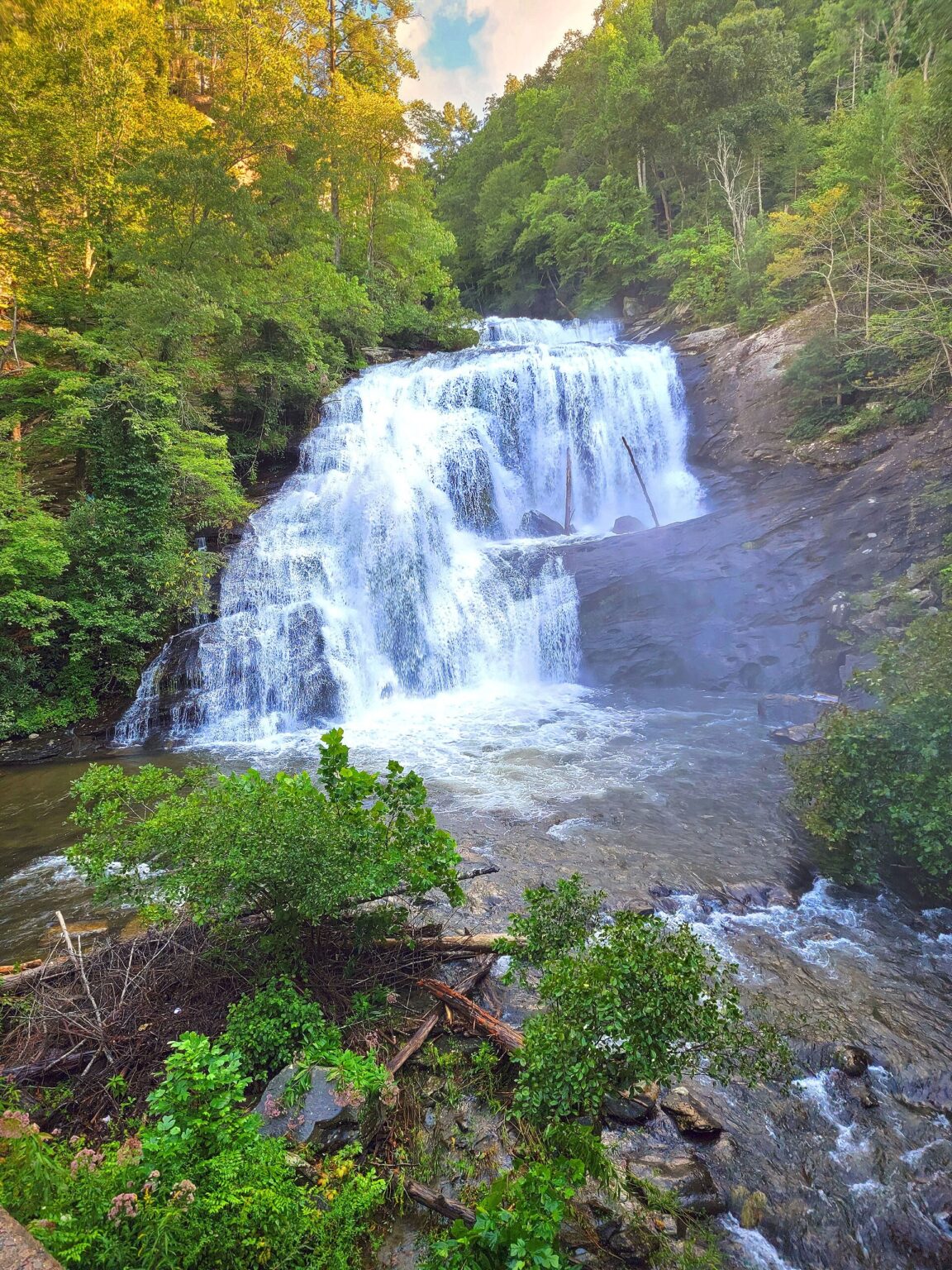
Cherokee National Forest Things to Do
A ride through Starr Mountain or Citico Creek pairs naturally with something else. Whitewater on the Ocoee River sits close by, in the same southern section of the forest. So does a fishing trip on the Tellico. Riders coming from further out sometimes work Cherokee National Forest into a longer loop through the Smokies and the Blue Ridge. If that’s the trip, Chimney Rock State Park and Sliding Rock sit on the North Carolina side of the same mountain range. Oconee State Park makes a reasonable overnight stop further south. None of them are next door to Cherokee National Forest, but they belong to the same stretch of Appalachian road trip.

Frequently asked questions about Cherokee National Forest
Where is Cherokee National Forest located?
It runs down eastern Tennessee in two separate sections, split by Great Smoky Mountains National Park. It wraps most of the park’s Tennessee side without being part of it.
Do you need a permit for Cherokee National Forest?
No permit is needed just to enter, or to ride a personal horse on designated trails. Permits apply to specific uses instead, like removing firewood, a group over 75 people, or a commercial outfitter, per the forest’s own passes and permits page.
What is Lost Corral Horse Camp?
It’s the developed horse camp at the Starr Mountain trailhead. Twenty sites, hitching areas, vault toilets and water, at $15 a night, per the Forest Service’s own page.
How long are the Starr Mountain Horse Trails?
About 20 miles of trail near the Ocoee/Hiwassee and Tellico districts, ranging from short loops to overnight routes. Lost Corral Horse Camp sits at the trailhead.
Is camping free in Cherokee National Forest?
Entering the forest and riding its trails costs nothing. Dispersed camping away from a developed site is typically free in a national forest, but Lost Corral’s site fee is $15 a night, per the Forest Service’s own page.
Camp fees and outfitter rates are current as of publication and change without notice. Confirm the latest figures with the Cherokee National Forest ranger district or the outfitter directly before you go.
Published September 24, 2026.
Prices are approximate, current as of publication, and change frequently — confirm the latest price with the park, operator or provider before you go.
Photo credits: (1) featured, The French Broad River bending through… — AppalachianCentrist, CC BY-SA 4.0, via Wikimedia Commons; (2) A gravel forest road curving through bare… — National Park Service, U.S. Government work, public domain, via Wikimedia Commons; (3) Bald River Falls pouring over a broad rock… — U.S. Forest Service, U.S. Government work, public domain, via Wikimedia Commons.