

Some links on our site may earn us a commission at no extra cost to you. Learn more.
Three days is the right length for Rocky Mountain National Park: one day on Bear Lake Road, one on the east side of Trail Ridge Road, and one on the quieter west side. This Rocky Mountain National Park itinerary runs hour by hour for a summer or fall trip. Every fee, reservation and road date was checked against NPS pages on October 2, 2026, and the winter version lives in our Rocky Mountain National Park in winter guide.
Big western national parks tend to go wrong in the same three ways. The first morning disappears into a parking lot, the high road gets saved for a cloudy day, and the afternoon storm arrives while you are still above the trees. I would take the first shuttle, drive the high road on a clear morning, and arrive a day early. We have done mountain days like this with nieces and nephews along, and the plan below holds up for them.
Rocky Mountain National Park 3 Day Itinerary
Group the park by road, not by trailhead. Day 1 is the Bear Lake corridor, Day 2 is the east side of Trail Ridge Road, and Day 3 crosses the Continental Divide to the Kawuneeche Valley. Start each day early, because the crowds and the afternoon weather both build.
| Day | Area | Stops | Distance or time | Fee or reservation |
|---|---|---|---|---|
| 1 | Bear Lake Road | Bear Lake loop, Nymph, Dream and Emerald Lakes, Sprague Lake | Emerald Lake is 3.6 miles round trip; shuttle every 10 to 15 minutes | Timed Entry+ for Bear Lake Road, 5 a.m. to 6 p.m., in season |
| 2 | Old Fall River Road and Trail Ridge Road | Old Fall River Road, Alpine Visitor Center, Forest Canyon Overlook | Old Fall River Road is 11 miles one way; Trail Ridge Road is 48 miles one way | Timed entry 9 a.m. to 2 p.m., in season |
| 3 | West side | Kawuneeche Valley, Coyote Valley Trail, Grand Lake | Coyote Valley Trail is 1 mile round trip | Same 9 a.m. to 2 p.m. timed entry, in season |
Rocky Mountain National Park Entrance Fee
A private vehicle costs $30 for one day or $35 for seven days, per the park’s fee page on October 2, 2026. Motorcycles pay $25 or $30. Walk-in and bicycle visitors age 16 and up pay $15 or $20. The park takes cards only.
A park-specific annual pass is $70 and works at this park only. The America the Beautiful annual pass is $80 for residents and $250 for non-residents, and an annual senior pass for ages 62 and up is $20. One seven-day vehicle pass covers all three days of this plan. NPS also lists October 27 and November 11 as 2026 fee-free days.
Rocky Mountain National Park Timed Entry
The 2026 timed-entry season ran from May 22 to mid-October, and the NPS timed-entry page named October 18 as the last day. There are two kinds. Basic timed entry covers the park outside Bear Lake Road, Trail Ridge Road included, from 9 a.m. to 2 p.m. Timed Entry+ adds Bear Lake Road and runs from 5 a.m. to 6 p.m.
The only cost is a non-refundable $2 Recreation.gov processing fee. For the basic option, the page says you can enter before 9 a.m. or after 2 p.m. without a reservation. Reservations are released on a monthly schedule that began May 1 at 8 a.m. MDT, with extra releases at 7 p.m. MDT. Our timed entry guide walks through the booking, so this plan does not repeat it.
Bear Lake Road Rocky Mountain National Park
Day 1 belongs to the Bear Lake corridor, and the free shuttle is the way to do it. In 2026 the Bear Lake shuttle ran daily from May 22 to October 18, from 6:30 a.m. to 7:30 p.m., with a bus every 10 to 15 minutes, per the park’s shuttle page. Stops include the Park & Ride, Bierstadt Lake Trailhead, Glacier Gorge Trailhead and Bear Lake.
Park at the Park & Ride and ride up. NPS says Bear Lake parking often fills by early morning, especially in summer and on fall weekends. I would be on the 6:30 a.m. bus and finish the hiking before the clouds build.
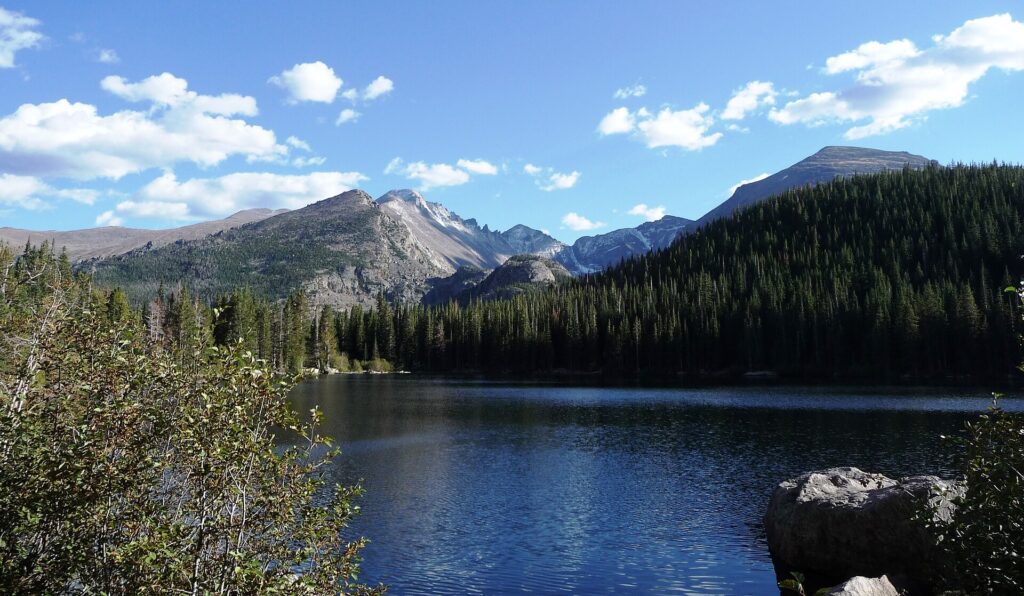
Staying in Estes Park? The Hiker Shuttle runs from the Estes Park Visitor Center to the Park & Ride, daily through September 7 and on weekends from September 12 to October 18. It costs $2 per reservation on Recreation.gov. The park posts short trailhead closures for repairs on its hiking page, so check it before you pick a trailhead.
Emerald Lake Trail
The classic hike is Emerald Lake, 3.6 miles round trip with 771 feet of climb from Bear Lake. Nymph Lake comes just over a half mile in. Dream Lake follows about another half mile on, and Dream Lake alone is 2.2 miles round trip with 425 feet of gain. Both are good turnarounds if the weather shifts.
NPS suggests being back at the trailhead by noon to stay ahead of afternoon storms. The park’s trail-conditions page carried an August 21, 2026 report of wet, muddy ground above Nymph Lake. Wear shoes with grip. The short Bear Lake nature loop is 0.5 mile round trip with a 20-foot climb and is wheelchair accessible.
Sprague Lake Loop
Sprague Lake is the easy afternoon. The loop is 0.5 mile round trip, wheelchair and stroller accessible, with a parking area, picnic tables and restrooms. Benches line the shore and the Continental Divide peaks stand behind the water. It suits anyone who has had enough climbing for one day.

Trail Ridge Road
Trail Ridge Road climbs to 12,183 feet and runs 48 miles one way between Estes Park and Grand Lake. The Forest Canyon Overlook page says it closes seasonally from mid-October through Memorial Day, and early snow can close it sooner. Check the NPS road-status page or call the recorded status line at 970-586-1222 before you drive.
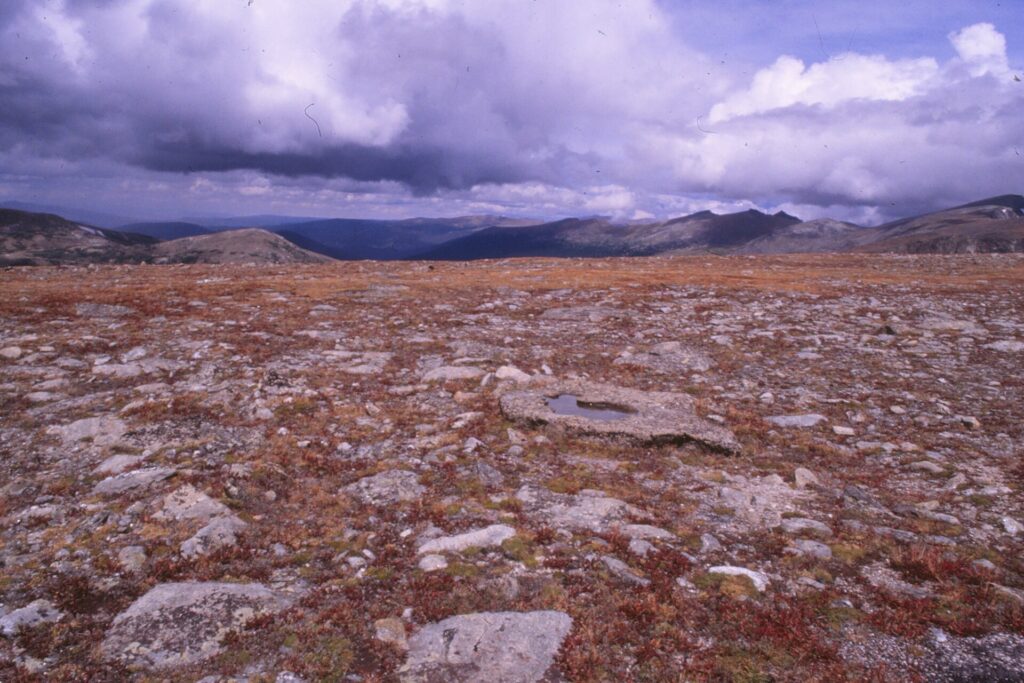
Big parts of the high road are tundra closures where off-trail hiking is prohibited. NPS lists Forest Canyon Overlook, Rock Cut and the stretch from the Alpine Visitor Center toward Lava Cliffs. Stay on the paved paths. The plants take decades to recover from one careless step.
Alpine Visitor Center
The Alpine Visitor Center sits at 11,796 feet, where Old Fall River Road meets Trail Ridge Road. NPS calls it the highest facility of its kind in the park service. Forest Canyon Overlook is a little lower at 11,716 feet and is a five-minute paved walk to a view into a glacier-carved valley. Give both a slow hour, because even short walks feel harder up here.
Old Fall River Road
Old Fall River Road is 11 miles, one way uphill, mostly gravel, with a 15 mph posted limit and no guard rails. Vehicles over 25 feet and anything pulling a trailer are prohibited. It normally opens to vehicles from early July to early October. For 2026 the road-status page said it closes to vehicles starting Tuesday, October 6, with maintenance closures through October 16 and a reopening to bicycles, leashed pets and walkers on October 17.
In season I would drive it up in the morning, when the light is low and the road is quiet, and come back down on the pavement of Trail Ridge Road. After the closure, drive Trail Ridge Road both ways instead.
Rocky Mountain National Park West Side
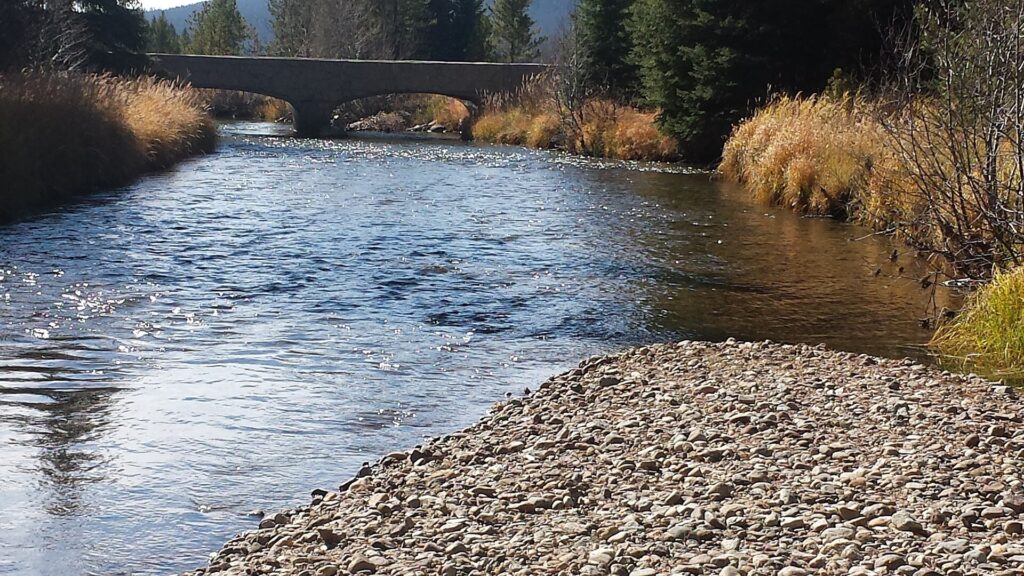
Day 3 crosses to the west side by Trail Ridge Road, and the Kawuneeche Valley feels like a different park. The valley is flatter, greener and quieter, and the Colorado River runs through the middle of it. Grand Lake sits at the western end of the road and makes a better lunch stop than turning straight around.
Cross the divide early. The basic timed-entry window is 9 a.m. to 2 p.m., and the afternoon is when the high road gets stormy. Come back over the top in the afternoon only if the sky is clear.
Coyote Valley Trail
The Coyote Valley Trail follows the Colorado River for 1 mile round trip on a wide path that is wheelchair and stroller accessible. NPS names elk and moose as common here. Keep at least 75 feet from elk and 120 feet from moose, and use a zoom lens instead of your feet.
Rocky Mountain National Park Elk Rut
The elk rut is the main reason to come in the fall. NPS runs its rut meadow closures from September 1 through October 31, restricting foot travel and fishing in specific meadows from 5 p.m. to 10 a.m. daily. Moraine Park, Horseshoe Park, Upper Beaver Meadows, Harbison Meadow and Holzwarth Meadow are the places NPS names for finding elk.
Bugling carries best at dawn and dusk. The wildlife safety page says to stay at least 75 feet, about two bus lengths, from elk and bighorn sheep. For black bears, moose and mountain lions the figure is 120 feet, about three bus lengths. If an animal changes its behavior because of you, you are too close.

Rocky Mountain National Park Altitude Sickness
Elevations in the park run from about 7,800 feet to over 14,000 feet. NPS lists headaches, nausea and dizziness as the warning signs, along with a higher risk of dehydration and severe sunburn. Its advice is to descend if you start to feel sick, drink several quarts of water a day, and reapply sunscreen often.
I would arrive a day early and keep Day 1 gentle, which is why the plan starts with a half-mile lake and not a summit. If you have a health condition, ask your own doctor before you go.
Rocky Mountain National Park Thunderstorms
Lightning flashes are common here from June through September, per the park’s lightning page. A sunny morning can turn windy and wet within minutes. NPS says to start early and get below treeline or into shelter before a storm arrives.
If you hear thunder, you are likely within striking distance. A vehicle or building is the safest shelter, and NPS says never to shelter in a cave or under a rock overhang. Wait at least 30 minutes after the last thunder before heading back out. On Day 2, do Forest Canyon Overlook and the Alpine Visitor Center in the morning.
Where to Stay Near Rocky Mountain National Park
Estes Park is the base for Days 1 and 2, and our Estes Park guide covers the town. Grand Lake works for Day 3 if you want to start on the west side. NPS lists the park as open year-round, 24 hours a day, so a late arrival is fine. Denver is the usual gateway city for this park, so our Denver weekend itinerary covers the days before or after.
Planning a longer Colorado loop? Our 7-day Colorado road trip itinerary places this park in a bigger route. Camping this trip? Start with the national park camping checklist, and budget the drive with the national park road trip cost guide. For a different big-park rhythm, compare our Glacier National Park itinerary and 3-day Yellowstone plan.
Rocky Mountain National Park Questions
Is 3 days enough for Rocky Mountain National Park?
Yes. Three days covers Bear Lake Road, the east side of Trail Ridge Road with Old Fall River Road, and the west side without rushing. Add a fourth day only if you want a long hike or a slow evening watching elk.
Do you need a reservation for Rocky Mountain National Park?
In season, yes for most daytime entries. NPS requires timed entry from late May to mid-October, 9 a.m. to 2 p.m. for the basic option and 5 a.m. to 6 p.m. for Timed Entry+ with Bear Lake Road. The 2026 season ran through October 18, so check the park’s page for later dates.
Is Trail Ridge Road open in October?
It can be, but it closes seasonally from mid-October through Memorial Day, per the Forest Canyon Overlook page. Check the NPS road-status page or call 970-586-1222 for the current status before you go.
How much does it cost to get into Rocky Mountain National Park?
On October 2, 2026, the park listed $30 for a one-day vehicle pass and $35 for a seven-day pass. Motorcycles are $25 or $30, and walk-in or bicycle visitors age 16 and up pay $15 or $20. The park takes cards only.
Prices are approximate, current as of publication, and change frequently — confirm the latest price with the retailer before buying.
Published October 20, 2026.
Photo credits: (1) featured, Longs Peak and Mount Meeker rising above… — NPS/D.Turk, U.S. Government work, public domain, via National Park Service; (2) Bear Lake with the peaks of Glacier Gorge… — Daniel Mayer (Mav), CC BY-SA 3.0, via Wikimedia Commons; (3) Sprague Lake in Rocky Mountain National Park — Daniel Mayer (Mav), CC BY-SA 3.0, via Wikimedia Commons; (4) Alpine tundra above the treeline along… — Wasted Time R (talk · contribs), CC BY-SA 3.0, via Wikimedia Commons; (5) Colorado River flowing through the… — PumpkinSky, CC BY-SA 3.0, via Wikimedia Commons; (6) Bull elk standing in a meadow in autumn in… — NPS/P.Baker, U.S. Government work, public domain, via National Park Service.