

Some links on our site may earn us a commission at no extra cost to you. Learn more.
Montauk State Park is a Missouri state park built around the spring that starts the Current River. It has a stocked trout stream, a working 1896 gristmill, and a campground with cabins and motel rooms a short walk from the water. Trout fishing is the reason most people drive out here. A daily tag is required from March through October. Salem, Missouri is the nearest town for gas and groceries.
I grew up on a Midwest farm not far from country like this, and small Ozark towns still feel familiar — gravel roads, a general store, a river that’s the whole reason anyone’s there. I’ve floated the Current River more times than I can count, and the water still surprises people who haven’t seen a spring-fed river before: that blue-green clarity, cold enough to ache your feet within a minute. Montauk is where that water starts. Every float downstream, every swimming hole below Round Spring or Big Spring, traces back to this spot. The park’s springs and Pigeon Creek push more than 40 million gallons a day into the riverbed, according to Missouri State Parks. Stand at the spring pool here and you’re standing at the start of a river I’ve camped and paddled for years.
Where Does the Current River Start?
The Current River starts right here, at the spring that gives Montauk State Park its water. Cold groundwater pushes up through the rock and gathers into a pool below the old mill. It joins Pigeon Creek a short distance downstream. From that point on, it’s the Current River all the way to the Black River, well over a hundred miles south. Nothing upstream of this spot counts as the same waterway. This is the source, not a tributary you’d have to squint to connect.
That’s what makes the park feel different from the float-trip towns downstream. Eminence and Van Buren are about getting on the water. Montauk is about where the water comes from. The trout fishery exists because spring water holds a steady cold temperature, and warmer Ozark streams can’t give trout that. This part of the Ozarks sits on limestone riddled with cracks and underground channels. That’s why springs like this one punch straight out of the ground instead of trickling downhill from somewhere visible.
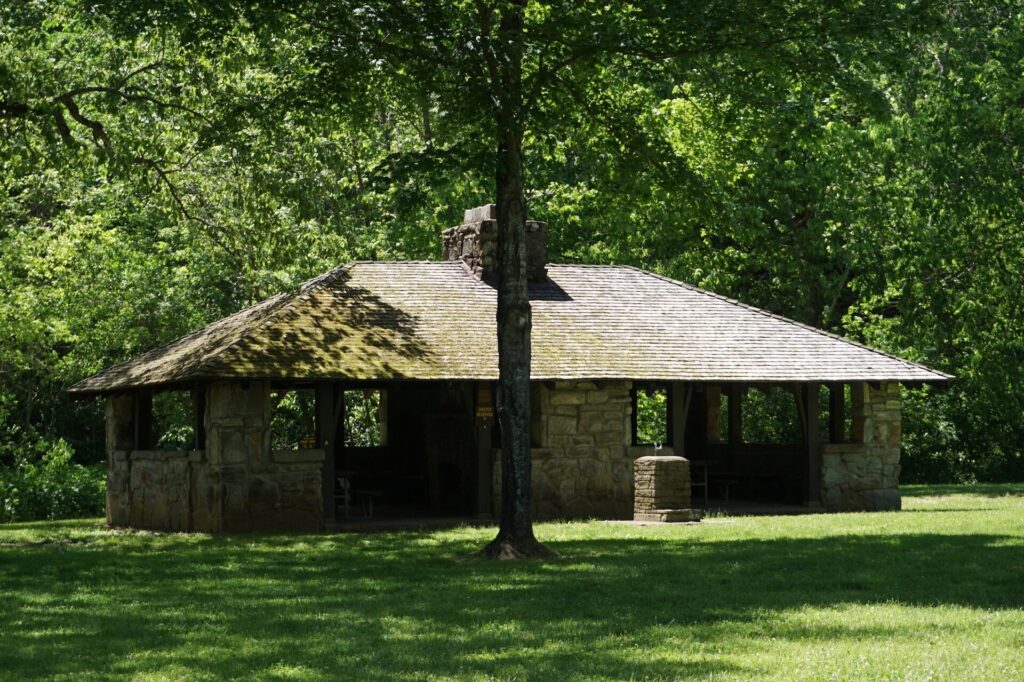
Montauk State Park Trout Fishing
Rainbow trout, and only rainbow trout, come out of the hatchery here. They’re stocked straight into the designated trout water on the upper Current River. A daily limit of four trout applies, with an eight-trout possession limit. Fishing is restricted to single pole and line. No gigging, no snagging, no bait you collected yourself from the creek.
The park splits its water into different sections, and it’s worth knowing which one you’re standing in before you cast. Some stretches allow bait and spinners. Others run fly-only, which draws a quieter, more serious crowd early in the morning. Wading is easy in most spots — the bottom is gravel, not mud. The current does pick up near the hatchery outflow, where the coldest, clearest water enters the stream.
Most anglers wade or fish from the bank near that outflow, since the fish stack up where the water is coldest. Trout bite better at both ends of the day than at noon, especially once summer sun is high. Plan a morning session and an evening one instead of a single long afternoon.
Bring waders if you have them. The gravel bottom is fine for wet-wading in summer, but spring and fall mornings run cold enough that most people stay dry instead. A basic spinning rod works fine on the bait-and-spinner stretches. Save the fly rod for the fly-only water, where it actually matters.

Montauk State Park Trout Tag
Per Missouri Department of Conservation regulations, a daily trout tag costs $5 for anglers 16 and older and $3 for anyone 15 and younger. It’s required every day of the regular season, on top of a normal Missouri fishing permit. Buy it at the park store before you walk down to the water — rangers do check.
Miss the regular season and the park still lets you fish. From November 13, 2026 through February 8, 2027 it runs a catch-and-release winter season instead. Flies only, Fridays through Mondays, no keeping anything. That season uses an annual trout permit rather than the daily tag. It’s the better deal if you’re planning more than a couple of winter weekends.
| What | Cost | Covers | Where to get it |
|---|---|---|---|
| Daily trout tag (16+) | $5 | Required each day, Mar 1–Oct 31 | Park store or MDC vendor |
| Daily trout tag (15 and under) | $3 | Same season | Park store or MDC vendor |
| Annual trout permit | Separate purchase | Nov 13–Feb 8 catch-and-release season | MDC permit vendor |
| Campsite, per night | Varies by loop | Basic, electric, or full-hookup sites | icampmo1.usedirect.com |
| Park entrance | No charge | Year-round | — |
Things to Do at Montauk State Park
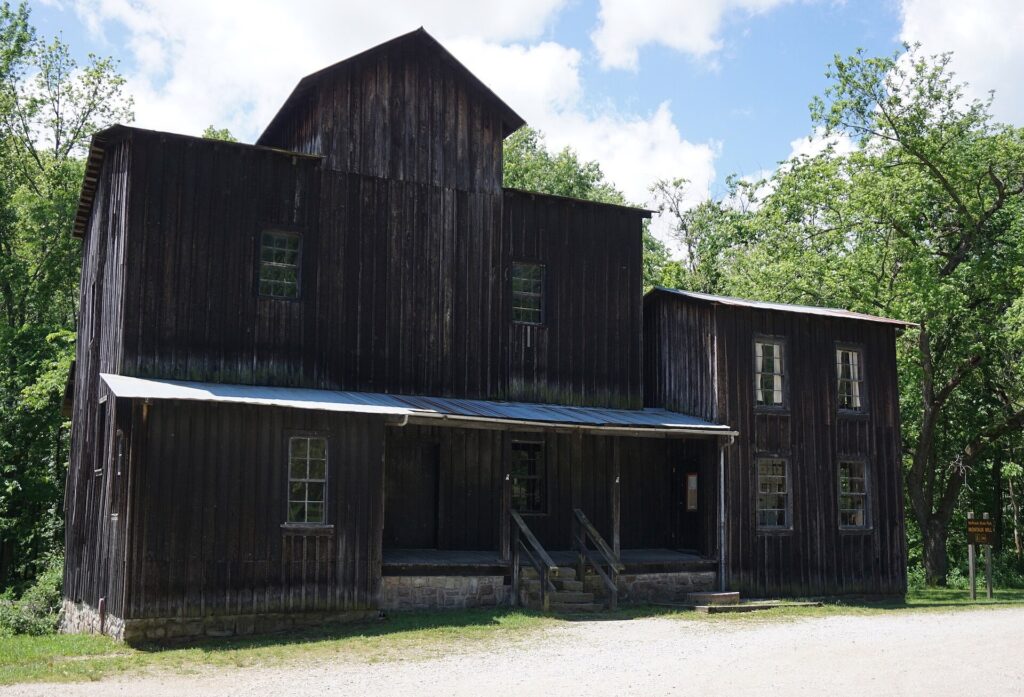
The old gristmill is the park’s other big draw. Built in 1896, it once ground grain for the surrounding farms. Short tours now walk through the machinery and explain how a water-powered mill actually worked — the wheel, the gears, the whole mechanical chain that turned a spring into flour. It’s a quick stop, twenty minutes or so. It’s also the kind of Ozark history that’s easy to miss if you only came for the fishing.
Three trails loop through the park for hikers and bicyclists. None of them are long. They’re the easiest way to see the spring pool and the river valley away from the fishing crowd, especially once the banks near the hatchery fill up midday. Walk down to the hatchery raceways near the park store, too. They’re long concrete channels where the stocked trout wait before they’re released into the river — one of the few spots in Missouri where you can watch a trout fishery work from the source out.
None of this takes a whole day on its own. That’s why most visits end up shaped around the fishing schedule: an early session on the water, the mill and trails midday, a second round of fishing once the light softens toward evening.
Montauk State Park Camping
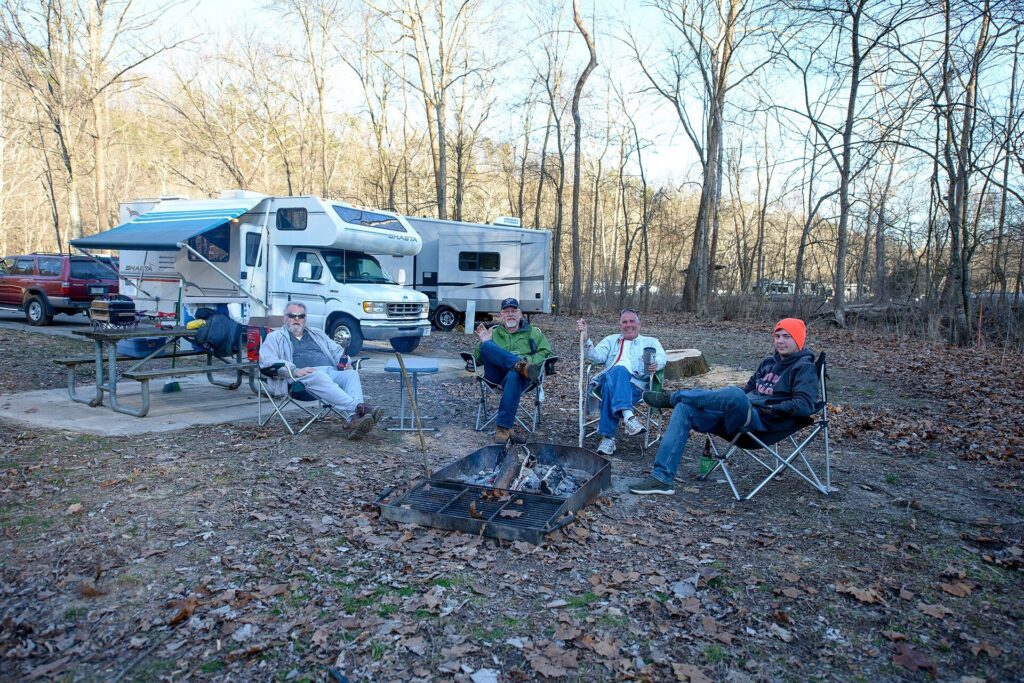
Missouri State Parks lists four campground loops here, with basic, electric, and full-hookup sites. Cabins and motel rooms are also available if you’d rather skip the tent. Showers and running water operate from late February through October. Reservations open a full year out through the state system. Book early for opening weekend of trout season — the whole campground fills, and Salem’s motels fill right behind it.
For anyone who wants a bed instead of a sleeping bag, the rental cabins and motel rooms sit close enough to the water to hear it at night. The dining lodge serves meals if you don’t want to cook over a fire. We’d pick a cabin over the motel rooms if the budget allows it. You’re there for the river, and the cabins sit closer to it.
Firewood is sold on-site, which matters more than it sounds like. Ozark campgrounds have had burn restrictions in dry years. It’s easier to buy a bundle at the gate than to haul your own three hours from home.
Things to Do Near Salem Missouri
Salem, Missouri is the closest town for gas, groceries, and a sit-down meal. It works as a base if the campground is full. It’s a small working town, more hardware store and truck stop than tourist strip, which is fine if you’re only passing through on the way to the water.
The bigger draw is what’s downstream. This is the same Current River we cover in our guide to Current River float trips and in the Ozark National Scenic Riverways hub. Eminence, the float-trip town on the Jacks Fork, makes an easy add-on — see our guide to Eminence for where to stay.
Most people pair a morning of trout fishing at Montauk with an afternoon float somewhere downstream. The water Montauk releases is the same water that makes the rest of the river worth paddling. It’s an easy two-stop day if you’re staying anywhere between Salem and Eminence, and it means you don’t have to pick one or the other on a short trip.
Camping FAQ
Does Montauk State Park charge an entrance fee?
No. Missouri state parks are free to drive into. You pay for camping, lodging, and the daily trout tag, not for walking through the gate.
What time does Montauk State Park open for trout fishing?
Hours shift by month during the March–October season, opening as early as 6:30 a.m. and closing as late as 8:30 p.m., per Missouri Department of Conservation regulations. Check the current month’s hours before you drive out.
Can you swim at Montauk State Park?
There’s no designated swimming area. The spring water runs cold year-round. Almost everyone who wades in is there to fish, not swim.
Where is Montauk State Park located?
It’s in Dent County, Missouri, near Salem, at the headwaters of the Current River.
When is the least crowded time to fish at Montauk?
Weekday mornings outside the March opening weekend and summer holidays are quietest. The winter catch-and-release season, running Fridays through Mondays only, also thins the crowd since it cuts out the rest of the week.
Prices are approximate, current as of publication, and change frequently — confirm the latest price with the retailer before buying.
Published September 28, 2026.
Photo credits: (1) An open picnic shelter at Montauk State Park — Steveewatkins, CC BY-SA 4.0, via Wikimedia Commons; (2) The 1896 gristmill at Montauk State Park in… — Steveewatkins, CC BY-SA 4.0, via Wikimedia Commons.