

Some links on our site may earn us a commission at no extra cost to you. Learn more.
The best Smoky Mountains campgrounds split into two categories. Ten are reservation-only sites inside Great Smoky Mountains National Park. The rest are private RV parks and campgrounds just outside the boundary. Every site inside the park costs $30 a night, per the National Park Service, booked through Recreation.gov. Outside the park, private campgrounds add hookups and pools. Heading toward Asheville, several also add weekly and monthly rates the park sites don’t offer.
I’ve driven through and camped around the Smokies enough times to have a clear favorite style. It isn’t the one with a pool. A gravel pad under hardwoods at Cades Cove or Smokemont beats a paved RV lot most nights. I won’t pretend the private campgrounds toward Gatlinburg don’t win on hot showers and Wi-Fi, though. The trick is knowing which trip you’re packing for before you book either one.
Best Campgrounds in the Smoky Mountains
Every frontcountry campground in the park charges the same base rate. A standard site runs $30 a night at all ten campgrounds. Look Rock is the one exception. Its electric sites run $36 a night. None of the ten take walk-ups anymore. Every site books through Recreation.gov, sometimes months out for Cades Cove and Elkmont in fall.
| Campground | Sites | Fee/night | Season | Reservation |
|---|---|---|---|---|
| Cades Cove | ~159 | $30 | Year-round | Recreation.gov |
| Smokemont | ~230 | $30 | Year-round | Recreation.gov |
| Elkmont | 220 | $30 | Seasonal | Recreation.gov |
| Cosby | ~164 | $30 | Seasonal | Recreation.gov |
| Deep Creek | 92 | $30 | Seasonal | Recreation.gov |
| Look Rock | 68 | $30 / $36 elec. | Seasonal | Recreation.gov |
| Balsam Mountain | 42 | $30 | Seasonal | Recreation.gov |
| Cataloochee | 27 | $30 | Seasonal | Recreation.gov |
| Abrams Creek | 16 | $30 | Seasonal | Recreation.gov |
| Big Creek | 12, tent-only | $30 | Seasonal | Recreation.gov |
Figures come from the National Park Service and Recreation.gov listings for each campground. Counts marked with a tilde are approximate, pulled from each campground’s own reservation map.
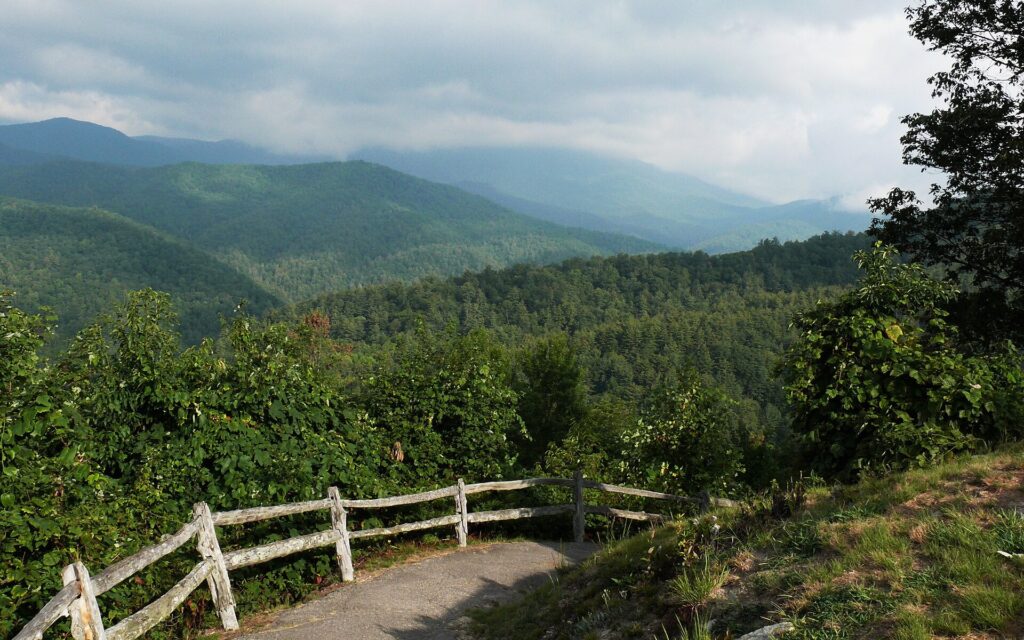
Camping in Cades Cove
Cades Cove is the busiest campground in the park. It’s the one I’d book first for a fall trip. It sits inside the Cades Cove loop itself, so the campground fills before day-use parking does. It’s open year-round. Reservations run through Recreation.gov for every loop, including the reduced off-season sites in Loop C.
Sites are close together and mostly shaded. There are flush toilets and drinking water, but no showers or hookups. Generators run on a set daytime schedule in Loop B during peak season. That schedule shifts to Loop C once B closes for the year. Ask for a site away from Loop B if a quiet evening matters more than the camp store.
No night open at Cades Cove? Our 3-day Smoky Mountains itinerary shows how to fit a cove day in from a campground on the other side of the park. Our guide to the parking tag every vehicle needs covers what to buy before you reach the gate.
Elkmont Campground
Elkmont is the biggest campground in the park. It has 220 sites: 200 standard tent-and-RV spots plus 20 walk-in tent sites, with nine ADA-accessible sites, per Recreation.gov. The Little River runs along the edge of the campground. Several loops sit close enough to hear it overnight.
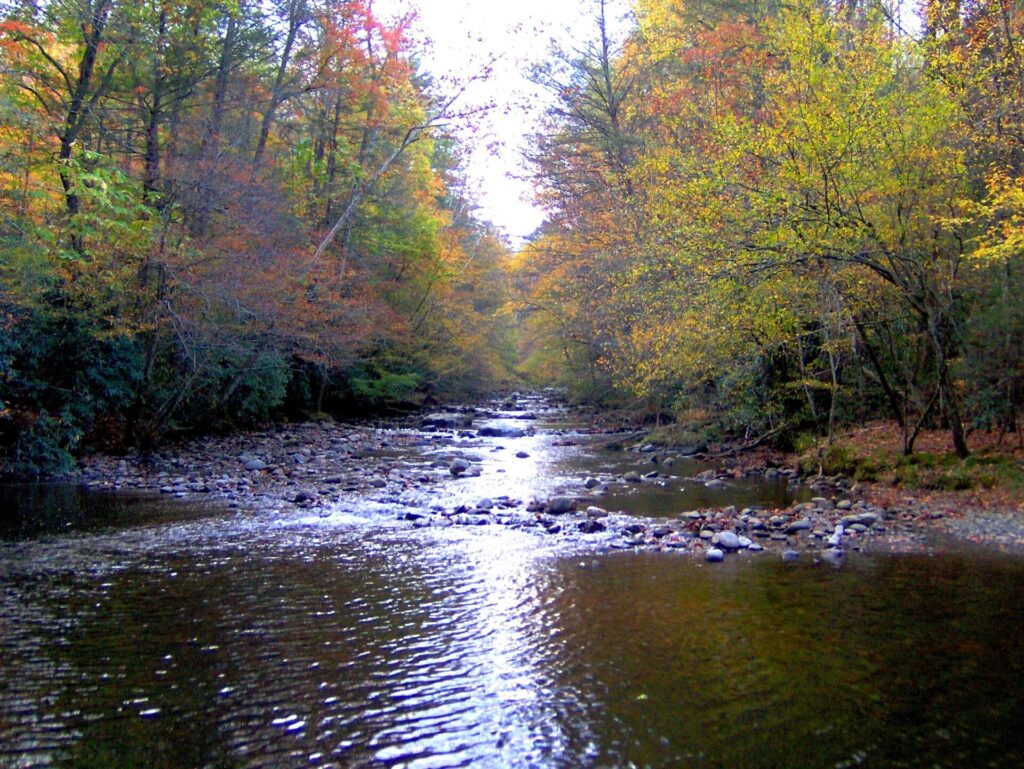
Elkmont also sits closest to the Elkmont Historic District. That’s the old summer-cabin community the park never tore down, and it’s an easy walk from several loops. It’s the kind of stop that turns a one-night stay into two. Elkmont books out fast for the June synchronous firefly event, when the park runs a separate lottery for access. Plan around that week if fireflies aren’t the goal.
Smokemont Campground
Smokemont is the other year-round campground. It’s the only one on the North Carolina side that stays open through winter, the park confirms. It sits along the Oconaluftee River a few miles north of Cherokee, with roughly 230 sites spread across five loops.
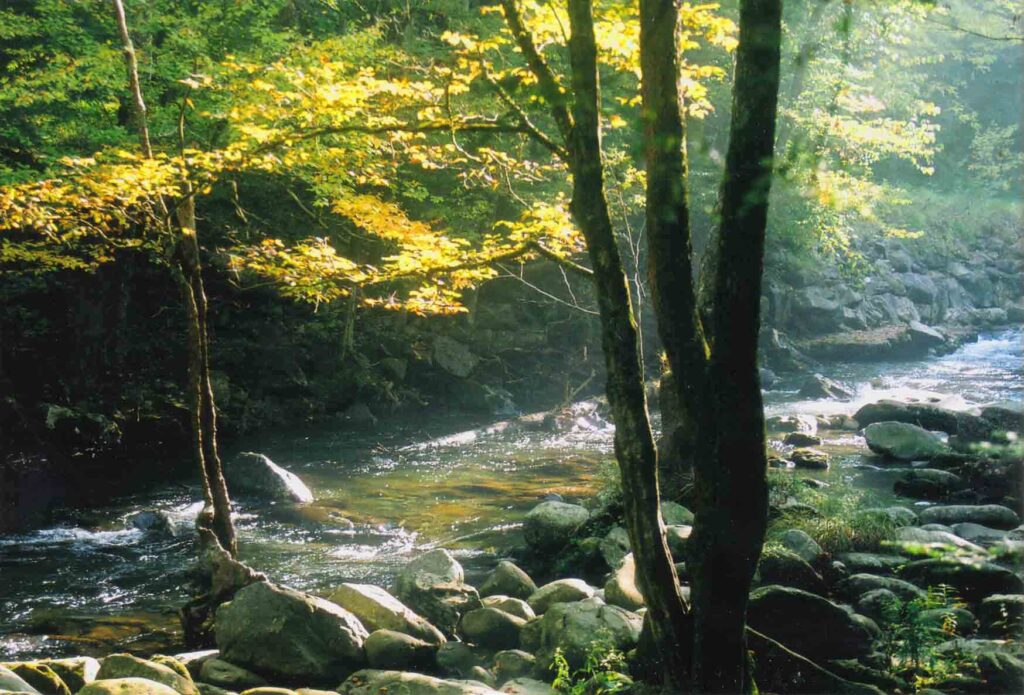
Smokemont is the practical pick for a Cherokee or Blue Ridge Parkway trip. It also wants a night or two inside the park, without the crowds that build around Cades Cove and Elkmont. It sits close to Kuwohi and Newfound Gap Road. Fishing is allowed in the river with a valid North Carolina or Tennessee license, and several loops back right up to the bank.
The seven smaller frontcountry campgrounds fill in around those three. Cosby sits on the quiet Tennessee side near the Appalachian Trail, with fewer crowds than Cades Cove. Deep Creek draws families for the creek itself, popular for tubing just outside the campground boundary. Balsam Mountain sits at 5,310 feet, the highest and coolest campground in the park. Cataloochee and Abrams Creek both require a drive on gravel road to reach, which keeps them among the least crowded sites in the park. Big Creek is tent-only, with just 12 sites tucked along its namesake creek.
RV Campgrounds in the Smoky Mountains
Private campgrounds line the roads into Gatlinburg and Pigeon Forge. They solve a different problem than the park campgrounds do. Full hookups, showers, laundry, and a pool are standard at most of them. So is easy access to the parkway’s restaurants and shows. None of that exists inside the park boundary.
What they don’t offer is the quiet or shade of Smokemont or Elkmont. Sites tend to sit closer together, paved, with less tree cover. That trade makes sense for a trip built around Dollywood or downtown Gatlinburg. There, the campground is a base, not the destination. For a trip centered on the park itself, a Smokemont or Cosby site beats paying resort rates for a pool that goes unused.
Camping Near Asheville NC
Head the other direction, toward Asheville, and private campgrounds start advertising something different: weekly and monthly rates. Long-term camping is common on that side of the mountains. Seasonal workers and snowbirds both book by the month, and the pricing reflects it.
Asheville Bear Creek RV and Campground states monthly rates of $850 to $1,500 on its own site, subject to seasonal change. Asheville West KOA Holiday, in nearby Candler, advertises monthly RV rentals starting at $875 plus metered electric, per its site. Those sites are mainly available November through April, with limited summer openings.
Neither campground sits inside the park. Neither takes a Recreation.gov reservation — book directly with the campground instead. If South Carolina is part of the loop, Oconee State Park’s campground is worth comparing on the way.
Great Smoky Mountains Camping Rules
A few rules apply at every frontcountry campground, not just one. Every site is reservation-only through Recreation.gov. There’s no first-come, first-served option left anywhere in the park’s ten campgrounds. Food, coolers, and anything scented must go in a vehicle or a bear-proof storage box overnight, under National Park Service rules. A cooler left on a picnic table is the single most common reason rangers cite campers.
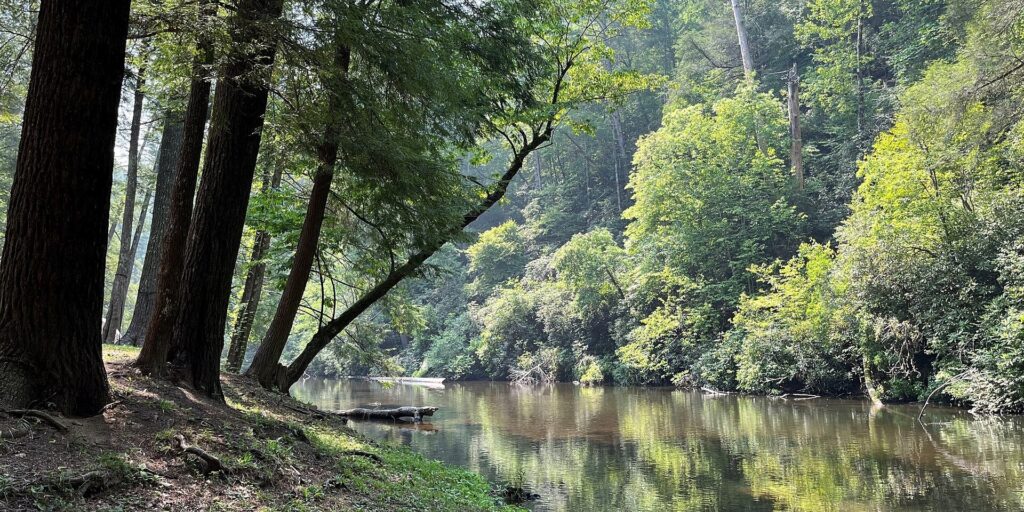
Quiet hours run overnight at every campground. Generator use is restricted to set daytime windows that vary by loop and season. Pets are allowed at frontcountry sites on a leash no longer than six feet. They’re not allowed on most park trails, though, which matters if a hike from camp is part of the plan. Campfires stay in the fire ring or grill at your own site. No loose fire pits, and no gathering wood inside the park.
Best Time to Go Camping in the Smoky Mountains
October is the hardest month to land a site anywhere in the park. Cades Cove and Elkmont book out first for peak fall color. June brings the synchronous firefly crowds to Elkmont specifically. If flexibility matters more than a specific view, spring and early-summer weekdays are easiest. A site is easy to book with just a few days’ notice then.
Winter camping is limited to the two year-round campgrounds, Cades Cove and Smokemont. The other eight close seasonally. It’s also the quietest camping the park offers: cold nights, but no lottery for a site. There’s no line for a bathhouse, either, since none of the frontcountry campgrounds have showers.
Prices are approximate, current as of publication, and change frequently — confirm the latest price with the retailer before buying.
How Many Campgrounds Are in Great Smoky Mountains National Park?
Can you camp anywhere in the Smoky Mountains? No. Camping inside Great Smoky Mountains National Park is limited to the ten frontcountry campgrounds, plus backcountry sites reached by permit, according to the park. Roadside and dispersed camping aren’t allowed anywhere in the park.
Is it safe to camp in the Smoky Mountains? Yes, with normal precautions. The biggest real risk is food left out for black bears. That’s why every campground requires overnight food storage in a vehicle or bear box.
Can you camp without a reservation in the Smoky Mountains? No. Every frontcountry campground now runs reservation-only through Recreation.gov. That includes the off-season sites at Cades Cove and Smokemont.
How much does it cost to camp at Cades Cove? $30 a night for a standard site. That’s the same rate charged at every frontcountry campground in the park except Look Rock’s electric sites, which run $36.
Published September 25, 2026.
Photo credits: (1) featured, Campsite at Cades Cove Campground in Great… — National Park Service, U.S. Government work, public domain, via Wikimedia Commons; (2) Little River flowing past Elkmont… — Brian Stansberry, CC BY 2.5, via Wikimedia Commons; (3) Smokemont Campground beside the Oconaluftee… — Ron Bruce, CC BY-SA 3.0, via Wikimedia Commons; (4) Wooded ridge above Abrams Creek and Look… — National Park Service, U.S. Government work, public domain, via Wikimedia Commons.