

Some links on our site may earn us a commission at no extra cost to you. Learn more.
The Great Smoky Mountains have no entrance fee. A parking tag is still required for any vehicle left for more than 15 minutes. A daily tag runs $5, a weekly tag $15, and an annual tag $40, per the National Park Service. The Smoky Mountains parking tag is not an entrance pass. An America the Beautiful pass does not cover it.
I’ve driven into this park more mornings than I can count. The tag is the one habit that trips people up. There’s no gate here, no ranger waving you through, nothing at the entrance the way there is at Yellowstone or Zion. You just roll in. Nothing reminds you to buy the tag before you park, so it’s worth doing before you leave the driveway. Not after you’ve already found your spot at Laurel Falls. I plan it the way I plan gas and snacks: a five-minute task before the trip, not something to sort out once we’re parked.
Do You Need a Parking Tag for the Smoky Mountains?
Yes, if you’re parking. The tag is required for any vehicle left more than 15 minutes anywhere in the park. It isn’t required if you’re only driving through without stopping. It also isn’t required on the park’s designated fee-free days each year.
Great Smoky Mountains Parking Pass Price
Three tag options cover the whole park, and the price does not change by trailhead or season.
| Tag | Price | How Long It’s Valid |
|---|---|---|
| Daily | $5 | Expires 11:59 p.m. the day printed |
| Weekly | $15 | Seven consecutive days from purchase |
| Annual | $40 | 12 months from the month of purchase |
These are the current figures published by the National Park Service. A tag is tied to one vehicle and one license plate. It can’t be transferred to another car, refunded, or upgraded from daily to weekly once it’s printed.
Where to Buy a Great Smoky Mountains Parking Pass
Buy the tag online before you go, or in person once you’re in the park. Daily and weekly tags are sold online as print-at-home passes through Recreation.gov. Print one the night before and you skip a stop entirely. Annual tags are sold through Smokies Life, the park’s nonprofit partner, at smokieslife.org.
In person, tags are available at self-service machines and at sales locations posted on the park’s official fee map. Whichever way you buy it, the tag has to be a physical printout or the mailed annual sticker. A screenshot on your phone doesn’t count.
The Recreation.gov print-at-home option is the one I use most. Buy it from your phone or laptop. Print it at a hotel business center or a library the night before. It’s already sitting on the dash when you pull out in the morning. That’s one less stop, and I’d rather be first into the Cades Cove lot than standing at a machine.
Great Smoky Mountain Parking Pass Kiosk Locations
The park doesn’t run entrance booths, so the kiosks are scattered instead of concentrated at a gate. You’ll find machines at the busiest pull-offs and trailheads on both the Tennessee and North Carolina sides. They’re mapped on the fees page linked above. Coming from Gatlinburg or Cherokee and don’t want to hunt for one? Buy online first.
My own habit: buy a weekly tag online the morning we leave, print two copies, and keep one in the glovebox as a backup. It has saved me from circling a packed Cades Cove lot, hunting for a working kiosk, more than once.
What Happens If You Don’t Have a Parking Pass?
The 15-minute grace period is the whole rule. Park longer than that without a tag and the vehicle is out of compliance. Annual tags go on the front, lower passenger-side windshield. Daily and weekly tags go face-up on the dash, also on the passenger side — that’s how the National Park Service says to display it.
A parking tag also isn’t an entrance fee and doesn’t promise you a spot. If the lot at Laurel Falls or Kuwohi is full, a valid tag doesn’t create a space that isn’t there. It just means you’re legal to be looking for one. Park rangers patrol these lots the way they patrol every other rule in the park. A car without a visible tag gets noticed.
The display placement matters more than people expect. A tag tucked in the center console isn’t displayed, even if it’s genuinely in the car. Set it on the dash the second you buy it. Do it before you’ve forgotten which pocket it’s in.
Great Smoky Mountains Annual Parking Pass
At $40, the annual tag pays for itself after about eight daily visits. That’s the obvious choice for anyone driving up from Asheville or Knoxville more than a few times a year. It runs 12 months from the month you buy it, not the calendar year — the park’s fee page spells that out.
The park is explicit about where the money goes. Revenue from the program stays in the Smokies and funds trail maintenance, restroom and custodial service, and trash removal. That’s per a National Park Service news release. The program is officially called Park It Forward. It’s doing the job an entrance fee would normally do at almost any other major park.
Great Smoky Mountains Weekly Parking Tag
The $15 weekly tag is the sweet spot for most trips. Buy a daily tag for every day of a five-day Smokies stay and it adds up to $25. The weekly tag covers the same five days, plus two extra, for $15. It’s the option I default to for any trip longer than three days. That includes a day we might not even leave the cabin.
It also removes a small daily decision that otherwise nags at you on vacation. With a weekly tag already on the dash, there’s no math before a spontaneous stop at an overlook. You’re covered whether you’re out for ten minutes or the whole afternoon.
Is Great Smoky Mountains National Park Free?
Yes — there’s still no entrance fee to drive into the Great Smoky Mountains. That makes it an outlier among the country’s most visited parks. Compare the parking tag to what a private vehicle pays at other major parks, and it’s not close.
| Park | Private Vehicle, 7-Day | Annual Pass |
|---|---|---|
| Great Smoky Mountains | No entrance fee (parking tag: $5/day, $15/week) | $40 parking tag |
| Yellowstone | $35 | $70 |
| Grand Canyon | $35 | $70 |
| Zion | $35 | $70 |
| Rocky Mountain | $35 | $70 |
| Shenandoah | $30 | $55 |
Figures are current per each park’s own fees page on nps.gov. A family driving to the Smokies for a week spends about half of what the same trip to Yellowstone or Zion costs at the gate. That’s even after buying a weekly parking tag.
Great Smoky Mountains National Park Parking Tag
Do I need a parking tag if I’m just driving through the park? No. The tag is required only for vehicles parked longer than 15 minutes. Driving Newfound Gap Road end to end without stopping doesn’t require one.
Does an America the Beautiful pass cover the parking tag? No. The interagency annual pass covers entrance fees at other federal sites. It does not substitute for the Smokies parking tag, the National Park Service says.
Can I use a daily tag for two half-days on different visits? No. A daily tag expires at 11:59 p.m. on the printed date. A weekly tag covers seven consecutive days. Neither can be split or paused.
Is the parking tag the same as an entrance fee? No. The park has no entrance fee. That tag pays for parking a vehicle. The revenue funds trail maintenance, custodial service, and trash removal inside the park.
Which tag should I buy for a five-day trip? The weekly tag. At $15 it costs less than five daily tags combined. It also covers two extra days beyond a typical five-day visit, per the park’s published pricing.
For the full day-by-day plan, see our 3-day Great Smoky Mountains itinerary. Or start with the planning hub for how many days to budget and which side of the park to base on. Pricing out the whole trip? Our national park road trip cost breakdown covers gas, camping, and gear on top of tags like this one.
Prices are approximate, current as of publication, and change frequently — confirm the latest price with the retailer before buying.
Published September 25, 2026.
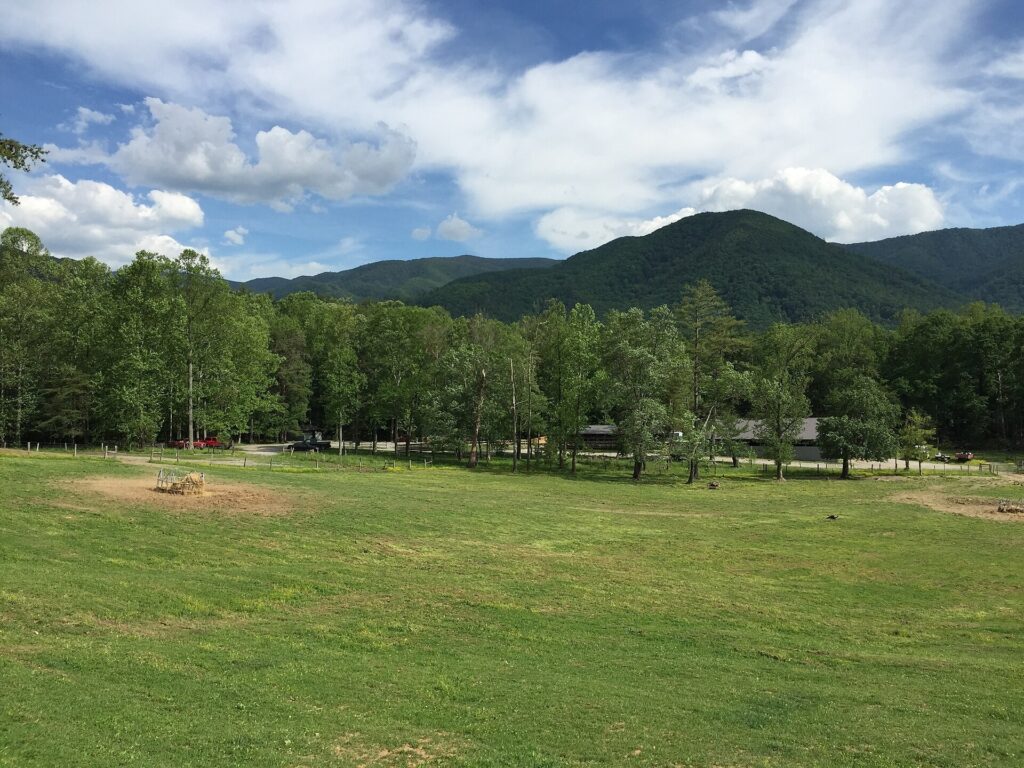
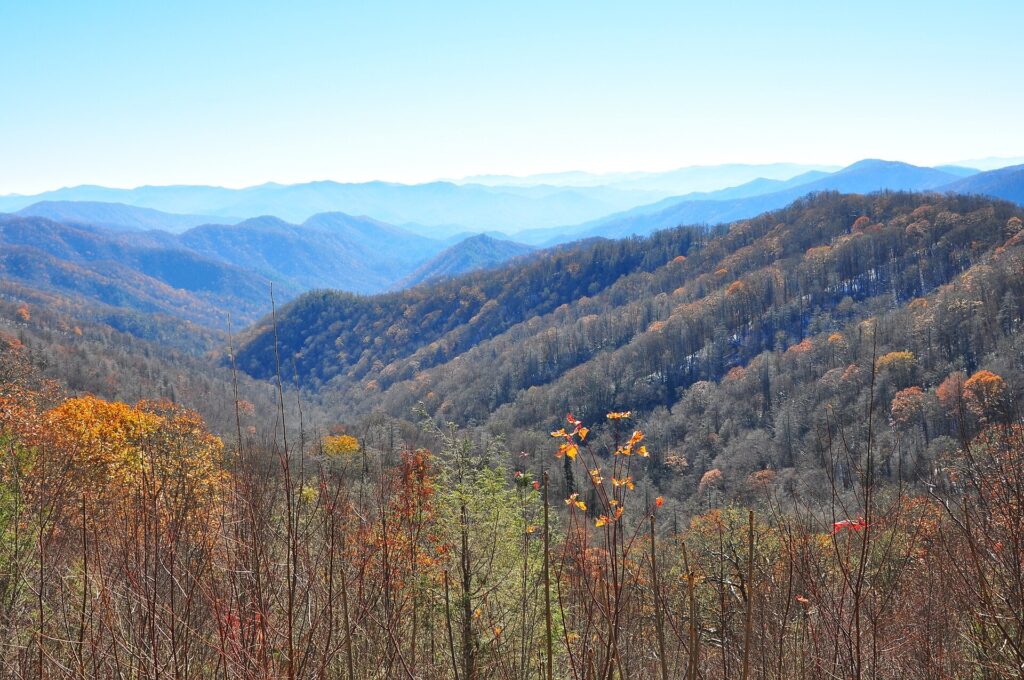
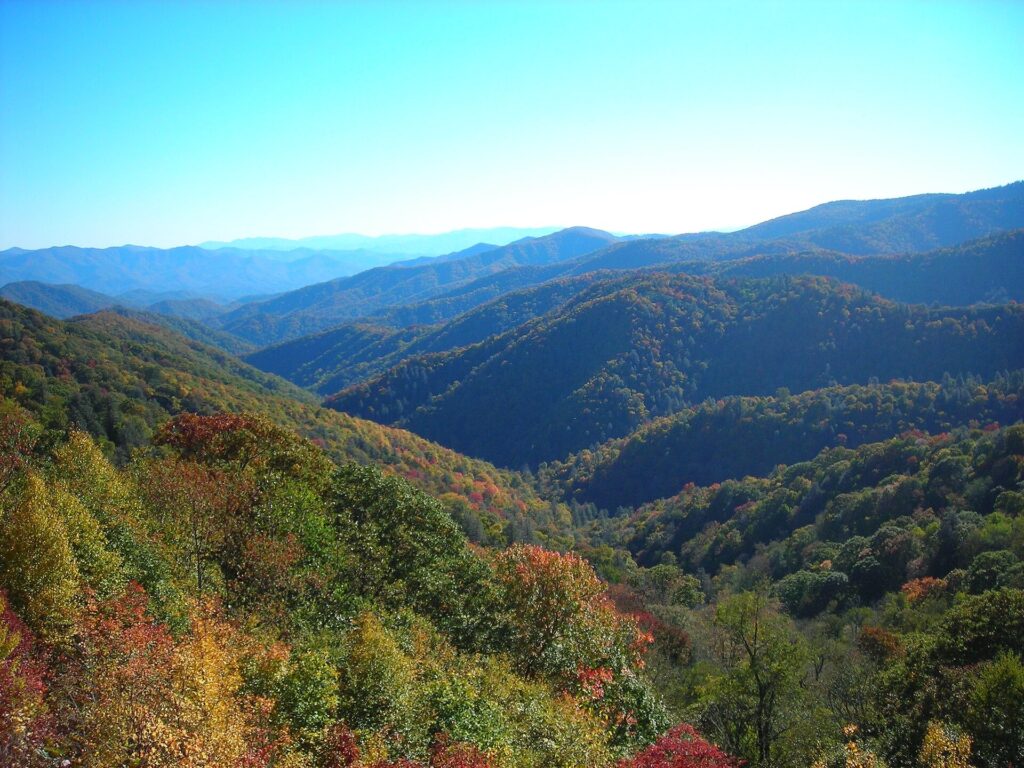
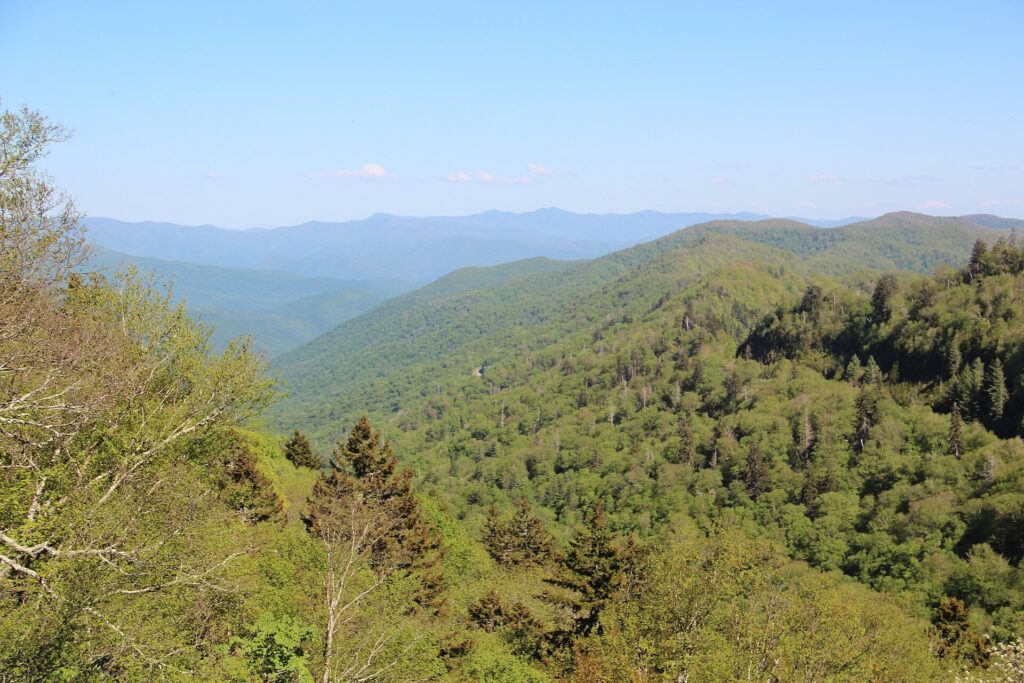
Photo credits: (1) featured, Ridgeline overlook in Great Smoky Mountains… — Scott Basford, CC BY-SA 3.0, via Wikimedia Commons; (2) View across the fields along Cades Cove… — Famartin, CC BY-SA 4.0, via Wikimedia Commons; (3) View from Thomas Ridge Overlook along… — Washuotaku, CC BY-SA 4.0, via Wikimedia Commons; (4) Oconaluftee Overlook along Newfound Gap… — Scott Basford, CC BY-SA 3.0, via Wikimedia Commons.