

Some links on our site may earn us a commission at no extra cost to you. Learn more.
What to bring to Florida springs comes down to a short list. Pack water shoes, a rash guard or thin wetsuit, sun protection that won’t harm the water, a dry bag, and small bills for the gate. The water holds at a constant 72°F at every spring in this guide, cave to river run. That’s warmer than it sounds in a cold snap and colder than it sounds in July. A handful of specific rules, more than the packing list itself, are what actually trip up first-timers.
I’ve loaded a minivan for a spring day trip with my nieces and nephews more times than I can count. I always pack one more towel than anyone thinks we need. It’s a habit from years of family road trips. The kid who swears he won’t get cold is always the first one shivering on the walk back to the car. Florida springs don’t forgive a thin packing list the way a hotel pool does. The water runs colder than a Florida afternoon makes you expect. More than a few parks also have a rule you won’t guess on your own until you’re standing at the gate.
What to Bring to Florida Springs
The core list works at nearly every spring in this guide: water shoes, sun protection that won’t harm the water, a dry bag for your phone and keys, a towel, and cash or a card for parking. What you add depends on the kind of spring. A state park swimming hole packs differently than a paddling put-in, and a private cave like Devil’s Den runs by its own rules entirely.
| Item | Why You Need It | Where It Matters Most |
|---|---|---|
| Water shoes | Limestone ledges and rocky spring bottoms | De Leon Springs, Ichetucknee, Ginnie Springs |
| Reef-safe or no sunscreen | Chemical sunscreen is banned outright at some springs | Devil’s Den |
| Cash or card for the gate | Most state parks charge a vehicle fee | $6/vehicle at Florida State Parks including Ichetucknee |
| Plastic cups and containers, not glass | Glass is banned at the water’s edge | Ginnie Springs |
| Dry bag | Keeps your phone and keys out of the water | Any spring you plan to swim or float in |
Skip the beach umbrella and the cooler full of glass bottles. Most of these springs sit under tree cover, so shade usually isn’t the problem. Sunscreen is — getting the right kind on before you get in the water matters more than how much shade you find.
Leave the drone at home unless you’ve checked ahead. Most state parks and private springs require a permit before you fly one. Staff will ask you to land it if you haven’t cleared it first, and that’s not how you want to spend the first ten minutes of a day trip. Leave pets out of the water too. Even at parks where they’re welcome on land, it’s safest to assume the swimming area itself is off-limits until a sign or ranger tells you otherwise.
What to Wear to Florida Springs
Wear a swimsuit under clothes you don’t mind getting wet. Add a rash guard or a thin wetsuit top if you’re planning to stay in more than a few minutes. At a constant 72°F, the springs feel comfortable on a hot day and genuinely cold on a cool one. A long-sleeve rash guard also cuts down on how often you need to reapply sunscreen, which matters at the springs that limit what kind you can use.
Water shoes matter more than any other clothing choice on this list. Spring bottoms are limestone, sand, or a mix of both. The entry points at parks like De Leon Springs and Ichetucknee are stone steps, not a sloped beach. Bare feet work fine once you’re floating, but getting in and out is where people slip.
Pack a full change of dry clothes for the ride home, socks included. Wet swimsuits in a hot car for an hour are unpleasant for everyone. A dry set makes the stop for lunch afterward far more comfortable, and it saves the car seats too.
A few small things round out the list and rarely make it onto anyone else’s: a mesh bag for wet gear so it doesn’t soak everything else in the trunk, sunglasses with a strap so they survive the current, and a printed or downloaded map, since cell service is spotty at more than a few of these parks.
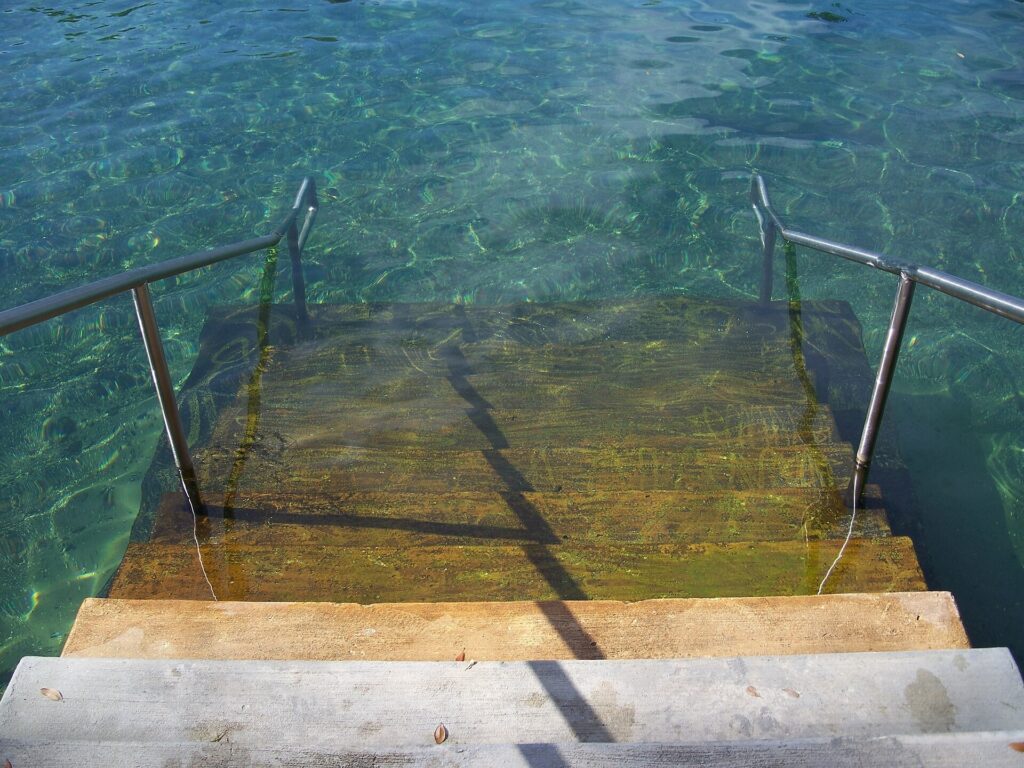
Leave the flip-flops in the car. They come off in the current and don’t grip wet stone. A pair of closed-toe water shoes or old sneakers you don’t mind getting soaked earns its space in the trunk every time.
How Cold Is Florida Spring Water?
Florida spring water sits at a constant 72°F year-round, at nearly every spring covered in this guide. That number doesn’t change with the season. It’s exactly why the same water feels so different depending on when you visit. In August, 72°F is a relief. In January, it’s the warmest water you’ll find outdoors in the state. The air around it, not the water, is usually the cold part.
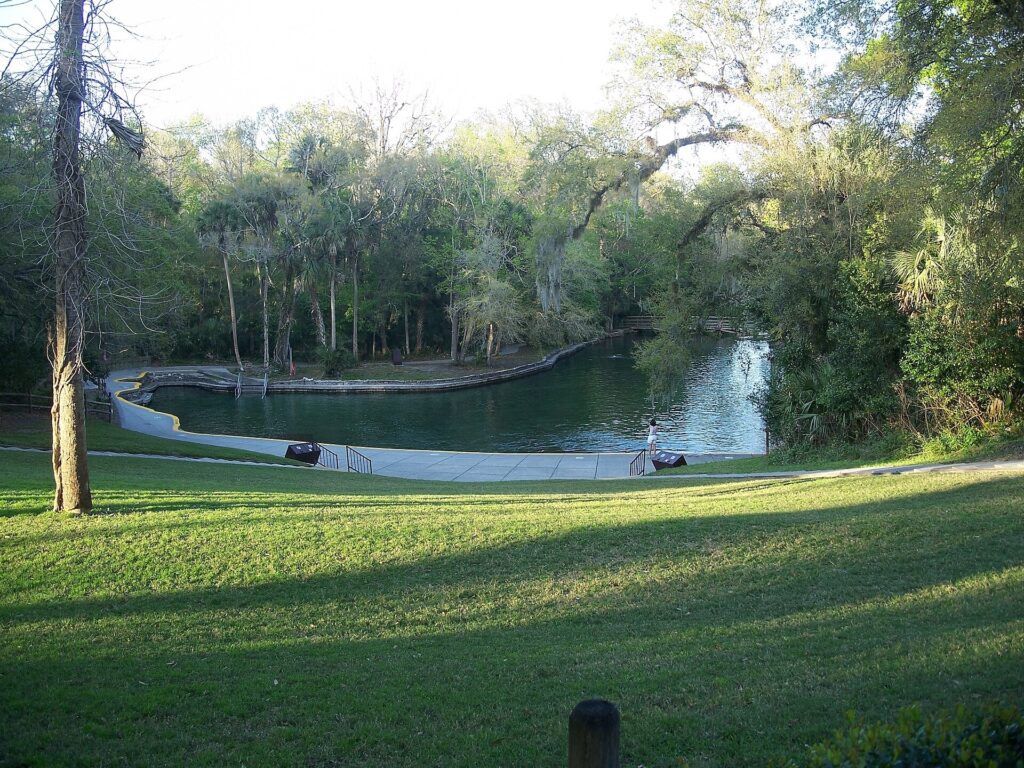
Pack for the air, not just the water. A dry change of clothes and a jacket for the walk back to the car matter more in winter than anything you’d wear in the water itself. We keep a towel and a change of socks in the car year-round for exactly this reason. Wet feet in a cold parking lot is a bad way to end a good afternoon.
What to Bring to Ginnie Springs Florida
Ginnie Springs is private, and it runs a tighter set of rules than most state parks. Its own rules page, ginniespringsoutdoors.com, is direct about two things that catch people off guard. There’s no glass allowed in common areas or the river. Open containers of alcohol are allowed only at campsites, not at the water. Pack drinks in cans or a plastic cooler and leave the wine glasses home.
Bring water shoes here too. The riverbank and the spring basins have the same limestone footing as the rest of this list. A mask is worth packing as well, if you want to actually see the spring’s famously clear water rather than just float on top of it. Our full Ginnie Springs guide covers fees and what the different springs on the property offer.
What to Bring to Ichetucknee Springs
Ichetucknee is a float, so pack differently than you would for a swim-and-sit spring. Bring your own tube or rent one near the entrance. A strap or leash keeps the tube attached to you in the current, and a dry bag lets you clip on your phone, keys, and park pass instead of holding them. Florida State Parks lists a $6 vehicle fee here, the same as most of the springs in this guide.
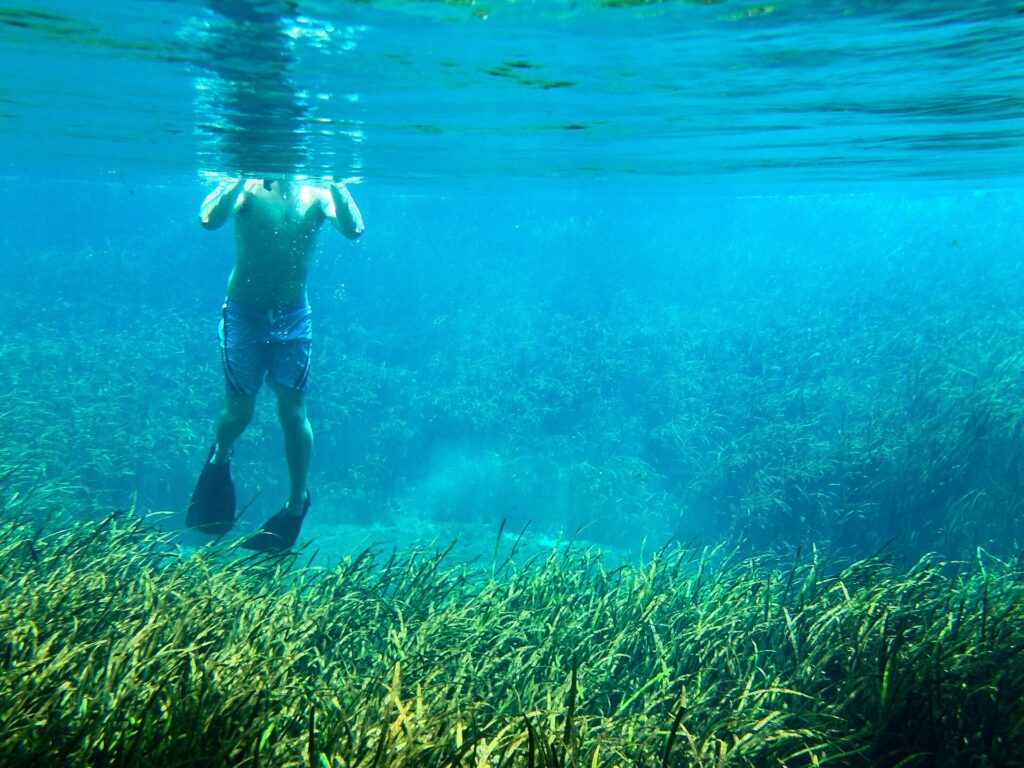
Water shoes are worth it here too, mostly for the walk from the parking area down to the launch point. Once you’re on the tube, bare feet are fine. Bring a little extra cash for the tube rental stands near the entrance, since not all of them take cards. A change of clothes for the shuttle ride back matters here more than at most springs, since the float can run over an hour. Our Ichetucknee Springs guide covers the shuttle system and how long the float actually takes.
Do Any Florida Springs Allow Dogs?
It depends entirely on the park, so check before you load the car. Manatee Springs State Park’s own page confirms pets are welcome on-site, with restrictions in certain areas. As a rule of thumb, expect them to be kept out of swimming areas and cabins. Bring a leash, waste bags, and water for the dog regardless of where you’re headed.
Private springs tend to be stricter. Ginnie Springs’ rules are equally direct here: no pets allowed, full stop. If a dog is coming along, plan around a state park rather than a private one. Call ahead if you’re not sure which category a particular spring falls into.
Florida Springs Facts
Is sunscreen allowed at Florida springs? Most springs allow reef-safe or mineral sunscreen. Devil’s Den is the exception — its rules ban chemical sunscreen outright, citing harm to the fish and turtles that live in the spring.
Can you bring a cooler to Florida springs? Generally yes, at the state parks in this guide. Skip glass regardless, though — it’s banned outright at some private springs, and it’s a safe default everywhere.
Do you need cash at Florida springs? A card usually works at the state park gates, but keep a little cash on hand for tube rentals and small concession stands that don’t always take cards.
What shoes should you wear at Florida springs? Closed-toe water shoes. The limestone entry points and river bottoms are slick, and flip-flops come off in the current.
Can you bring pets to Florida springs? Some state parks allow leashed pets in day-use areas; private springs like Ginnie Springs do not. Check the specific park before you bring one.
Prices are approximate, current as of publication, and change frequently — confirm the latest price with the retailer before buying.
For more on planning a springs trip, see our Florida springs guide, or check our beach vacation packing list if the same trip includes a day on the coast.
Published October 2, 2026.
Photo credits: (1) featured, The spring swimming area at Wekiwa Springs… — Ebyabe, CC BY-SA 3.0, via Wikimedia Commons; (2) Stone entry stairs leading down into the… — Ebyabe, CC BY 2.5, via Wikimedia Commons; (3) Swimmers wading at the sandy-bottomed… — Ebyabe, CC BY-SA 3.0, via Wikimedia Commons; (4) Visitors floating on inner tubes down the… — Florida Guidebook from Florida, USA, CC BY 2.0, via Wikimedia Commons.