

Some links on our site may earn us a commission at no extra cost to you. Learn more.
Hawaii Volcanoes National Park works as one long day from Hilo. From Kona, plan a full day plus a night. A private vehicle pays $30 at the entrance, according to the park’s fee page, and the park is open around the clock. Do the summit overlooks in the morning and a short hike next. Save the drive down Chain of Craters Road for the afternoon. The catch this fall is conditions, because two storms closed parts of the park in August and September.
I would plan this park around the clock and the weather, not a checklist. We have done long park days like this one with nieces and nephews along. The temperature swing catches most people out. Wear a jacket at the crater rim and sunscreen at the sea cliffs. I would be at the first overlook early, because parking, not distance, is what trips people up.
Hawaii Volcanoes National Park Current Conditions
Kilauea erupts in episodes from Halemaumau crater. Pauses last several days or weeks, and there have been dozens of eruptive episodes since December 2024. Whether anything is erupting on your day is not something an article can tell you. The USGS Hawaiian Volcano Observatory posts a daily update. On October 1 it listed Kilauea at the orange WATCH level.
Two storms hit the park in late summer 2026. Hurricane Lala closed it for about two and a half days in August. The park shut again on September 24 ahead of Tropical Storm Nolo. When it reopened on September 27, the park’s notice said most of the summit area and the Kahuku Unit were open. Four spots were still closed at that point.
On October 4 the alerts page listed Mauna Loa Road closed past the second cattleguard through October 29, and Kipukapuaulu Trail closed. Hilina Pali Road was closed to vehicles Monday through Thursday until November 19 for shoulder work, and the Sulphur Banks Bridge was closed. The Keanakakoi side of Kilauea was closed for volcanic unrest. Dates can move, so check first.
The Holei Sea Arch, a 90-foot arch at the end of Chain of Craters Road, was reported to have collapsed in late September 2026. Check the park alerts before you drive down for it, and stay back from the unstable cliff edges. Kilauea Visitor Center has been closed for construction since February 18, 2025, with a reopening listed as late 2026, so check whether it is open yet. A temporary Welcome Center at Kilauea Military Camp runs daily from 9 a.m. to 4:45 p.m.
Read the park’s alerts and conditions page the morning you go, and again if a storm is in the forecast. That page beats anything printed here, including this section.
How Much Is Hawaii Volcanoes National Park?
The entrance fee is $30 per private vehicle, and it covers the vehicle and up to 14 passengers. Walkers and cyclists pay $15 each, and motorcycles pay $25. Anyone 15 or under who arrives without a vehicle does not need a pass. The park is open 24 hours a day, every day of the year, holidays included.
The Hawaii Tri-Park Annual Pass costs $55 and is valid for 12 months from the month you buy it. It covers Haleakala National Park, Hawaii Volcanoes and Puuhonua O Honaunau National Historical Park on the Kona side. It pays off only if you will also visit Haleakala on Maui or the Kona-side park. Buy passes online on Recreation.gov, or at the entrance with a credit or debit card. Cash is not accepted. The entrance is not staffed at all times, so buying online ahead is the safer plan.
The 2026 fee-free calendar includes October 27 and November 11, so check whether either falls on your trip. Pricing a whole parks trip? Our national park road trip cost guide shows where this fee sits.
Hawaii Volcanoes National Park One Day
One day is enough for the summit and the coast road if you keep the list short. Order the day by the weather. Do the summit stops while the air is cool and clear, and the coast drive after lunch. Eat at Volcano House if its restaurant is open, or pack food. Chain of Craters Road has no food, water or fuel.
Start at the Welcome Center, then work along Crater Rim Drive West: Kilauea Overlook, the steam vents and Uekahuna. At the steam vents, hot water vapor billows out of the ground. A short distance away at the Sulphur Banks, volcanic gases seep out. You will smell sulfur dioxide, which is like struck matches, and hydrogen sulfide, which is like rotten eggs.

| Stop | Time or hours | Length or distance | What to know |
|---|---|---|---|
| Welcome Center (temporary) | 9 a.m. to 4:45 p.m. daily | 1.2 miles from the entrance station | Kilauea Visitor Center closed for construction in 2025; check whether it has reopened |
| Steam vents and Kilauea Overlook | Open 24 hours with the park | Along Crater Rim Drive West | Sulphur Banks Bridge was still closed after September 27 |
| Kilauea Iki loop | 2 to 3 hours | 3.3 miles, 400 feet down and back up | Moderate to challenging, steep and rocky |
| Nahuku (Thurston Lava Tube) | Lit 8 a.m. to 8 p.m. | Short rainforest walk to the tube | Parking is extremely limited; arrive before 9 a.m. or after 5 p.m. |
| Chain of Craters Road | Plan a half day with stops | 18.8 miles to the end of the road | No food, water or fuel along the way |
Kilauea Iki Trail
The Kilauea Iki loop is 3.3 miles and takes 2 to 3 hours from the Kilauea Iki Overlook. You drop 400 feet through rainforest to a crater floor. Then you walk across a hardened lava lake from the 1959 eruption and climb back out. The park rates it moderate to challenging, steep and rocky.
Wear real shoes, because lava here is uneven and razor-sharp where it breaks. Carry water, food, a hat, sunscreen and rain gear. For the effort, it is the hike I would keep if you only have time for one.
Thurston Lava Tube
Nahuku is the lava tube most people call Thurston. A short rainforest walk leads into a cave where lava once flowed. The tube is lit from 8 a.m. to 8 p.m., and a flashlight helps outside those hours. Watch your head, because the ceiling is low in places.

The problem is parking, which the park calls extremely limited. Arrive before 9 a.m. or after 5 p.m. and you avoid most of the crowd. Between those hours, expect to circle.
Chain of Craters Road
Chain of Craters Road is 18.8 miles one way, running down the slope of Kilauea to the sea. It is where the weather changes most. The coastal plain at the bottom is often hot, dry and windy. Shed the summit jacket on the way down.
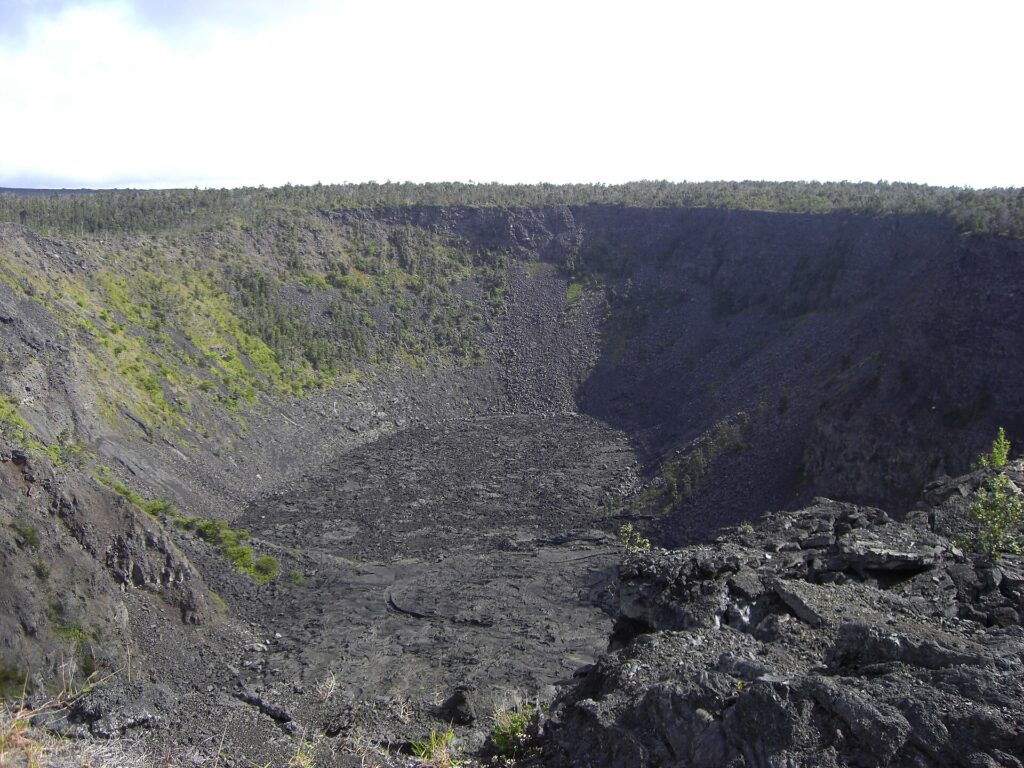
Fill your tank and your water bottles first, because nothing is sold along the road and emergency services are limited. Do not feed the nene, the Hawaiian goose, and drive slowly. Cars are the leading cause of adult nene deaths in the park. The coastal viewing area sits about 1,000 feet past the gate at the end of the road. Keep to the marked area.
Hawaii Volcanoes National Park Air Quality
Volcanic gases are a real hazard here. The park’s safety page says the risk is greatest for people with heart or respiratory conditions, infants, children and pregnant women. The park asks you to check its air quality alert before you visit and again during your visit. Leave the area if vog is unhealthy or tephra is falling. Tephra is the ash and debris thrown out in an eruption.
If anyone in your group has breathing trouble, plan the day around the alert, not around the itinerary. Skip the Sulphur Banks if the smell is strong, and ask your doctor before you go. When ash is in the air, the park advises eye protection, long sleeves, long pants and a dust mask.
Hawaii Volcanoes National Park Weather
The Kilauea summit sits at about 4,000 feet. The park says it runs 12 to 15 degrees cooler there than at sea level. It may be rainy and chilly in any month. The coast at the bottom of Chain of Craters Road is the opposite, often hot, dry and windy.
Dress in layers you can peel. Bring a rain jacket, a warm top and long pants for the crater rim. Add shorts underneath for the coast. Our Hawaii packing list covers the rest of the suitcase.
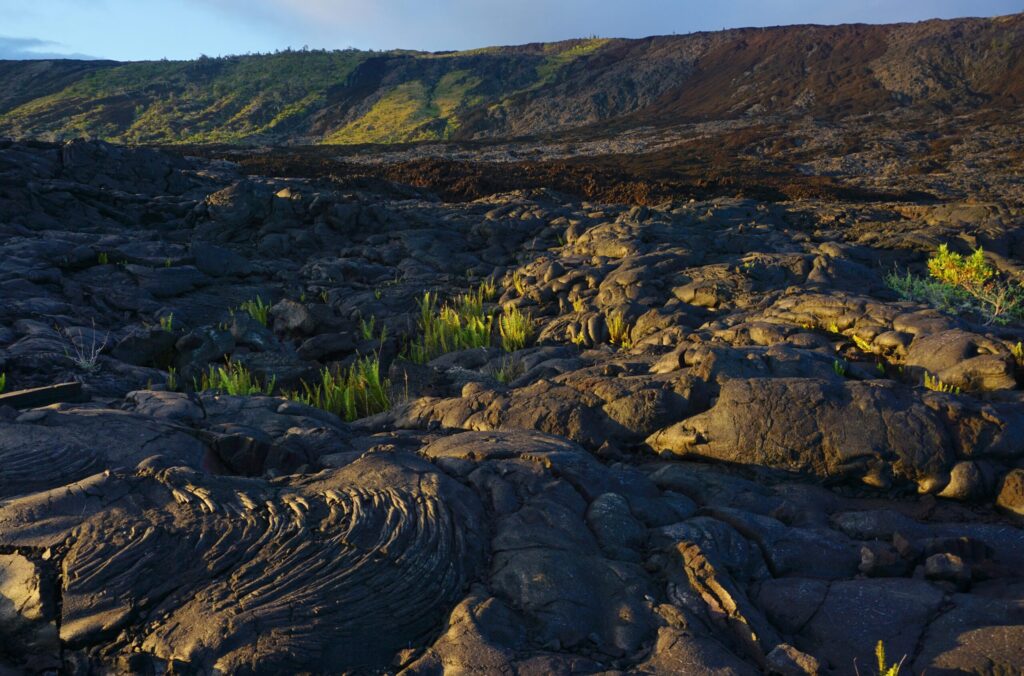
Parking lots can be full by 10 a.m. Early starts solve the crowd and the weather at once, because the summit is usually clearest in the morning.
Hawaii Volcanoes National Park From Hilo
The park is 30 miles southwest of Hilo on Highway 11, about a 45-minute drive. From Kona it is 95 miles on Highway 11, a 2 to 2.5 hour drive. The longer route through Waimea and Hilo is 125 miles and takes 2.5 to 3 hours. Hilo is the easier base for a park-first trip. Kona works only if you stay near the park for a night.
The Kona drive is long enough that a same-day round trip eats most of the daylight. After Hurricane Lala the state closed part of Highway 11 in the Kau district to through traffic in August. Check road status before you rely on that route. You need a rental car for any of this.
Still choosing between islands? Our guide to which Hawaiian island to visit first compares the options. The Big Island is the one for volcanoes.
Big Island Itinerary
Add days on the Big Island for the black sand beach and the Kona coast. Punaluu Beach has jet-black sand, and green sea turtles come up on it to rest. NOAA says to stay at least 10 feet away from a sea turtle, on land or in the water. Never touch one. The beach is in the Kau district, which the state asked visitors to avoid in August during cleanup. Confirm it is open before you drive there.
Kealakekua Bay on the Kona coast is the snorkeling stop. On its own site, Sea Quest lists a three-hour Captain Cook snorkel tour from Keauhou Bay. It costs $115 for adults and $105 for children 5 to 11. Dolphin Discoveries lists a 3.5-hour trip from $79.99, with about an hour of that in the water. The state park page says vessels may not land at Kaawaloa Flats. Every vessel needs a State Parks permit before it crosses the bay. If you book a tour, ask that the operator holds one.
For extra days, spend one on the Kona coast for the bay. Spend another on the south side for Punaluu, if the Kau roads are open. Both are long drives from the park, so do not squeeze them into the same day as the summit.
Hawaii Volcanoes National Park Facts
How long do you need at Hawaii Volcanoes National Park?
A full day covers the summit overlooks, one hike and Chain of Craters Road. Half a day means the overlooks and either the Kilauea Iki loop or the lava tube. The Kahuku Unit is open Thursday through Sunday from 8 a.m. to 4 p.m., and adds a second day if you want it.
Can you see lava at Hawaii Volcanoes National Park?
Sometimes. Kilauea erupts in episodes, and the pauses between them last several days or weeks. Check the USGS Hawaiian Volcano Observatory update and the park’s eruption viewing page before you go. The park says a headlamp helps you see the glow at night. It asks you to stay out of closed areas.
Is Hawaii Volcanoes National Park safe?
It is safe if you respect closures and check the air. The main hazards are volcanic gases, unstable cliff edges and sharp lava on the hiking trails. Check the park’s air quality alert first if you have a heart or breathing condition, or travel with children, infants or someone pregnant.
Is Hawaii Volcanoes National Park open?
Most of it usually is, but it changes with storms and volcanic activity. After Tropical Storm Nolo the park reopened most of the summit area on September 27. A few roads and trails stayed closed. Read the park’s alerts page the day you go.
How far is Hawaii Volcanoes National Park from Kona?
It is 95 miles on Highway 11, a drive of 2 to 2.5 hours. The route through Waimea and Hilo is 125 miles and takes 2.5 to 3 hours. From Hilo it is only 30 miles, about 45 minutes.
Prices are approximate, current as of publication, and change frequently — confirm the latest price with the retailer before buying.
Published October 22, 2026.
Photo credits: (1) featured, Kilauea Iki crater and its hardened lava… — NPS / /J. Wei, U.S. Government work, public domain, via National Park Service; (2) Steam rising from the ground at the steam… — NPS / /A. LaValle, U.S. Government work, public domain, via National Park Service; (3) Nahuku lava tube in Hawaii Volcanoes… — NPS / /D. Boyle, U.S. Government work, public domain, via National Park Service; (4) Pauahi Crater seen from the overlook on… — Diego Delso, CC BY-SA 3.0, via Wikimedia Commons; (5) Holei Pali cliffs above the coastal plain… — NPS / /A. LaValle, U.S. Government work, public domain, via National Park Service.