

Some links on our site may earn us a commission at no extra cost to you. Learn more.
This article is for general information and is not medical advice; talk to a doctor or other qualified professional about your own situation.
A Hawaii packing list starts with sunscreen. State law bans the sale of sunscreens containing oxybenzone and octinoxate, per Hawaii’s Act 104, in force since January 1, 2021. Maui County goes further and bans the use of any non-mineral sunscreen, per County Ordinance 5306. Pack a mineral formula before landing instead. Families need extra reef-safe sunscreen and rash guards, while solo travelers can pack lighter. The single most useful habit is grouping gear by activity, not by day. A beach morning and a rainforest hike need almost nothing in common.
I have packed for humid, unpredictable climates more times than I can count. The lesson that stuck was simple: pack for the itinerary that will actually happen, not the one hoped for. A light rain jacket and a spare pair of shoes have saved more trips than extra clothing ever did. Pack fewer outfits and more function, and the suitcase gets easier every time. Over-packing, not under-packing, is the mistake most first-time Hawaii travelers make.
Hawaii Packing List Essentials
| Quick fact | Detail |
|---|---|
| Statewide sunscreen rule | Oxybenzone and octinoxate sunscreens are banned from sale, per Hawaii’s Act 104 |
| Maui County rule | Stricter: sale and use of any non-mineral sunscreen is banned, per County Ordinance 5306 |
| State park reservations | Non-residents book 30 days out at Diamond Head, Waianapanapa and Haena, per Hawaii State Parks |
| Reef-safe alternative | Mineral, non-nano zinc oxide or titanium dioxide formulas, per NOAA |
| Peak sun hours | 10 a.m. to 2 p.m., per NOAA |
| UV protection threshold | UV Index 8 or higher needs extra protection, per the EPA’s UV Index scale |
| Carry-on liquids rule | 3.4 oz (100 ml) containers in one quart-size bag, per TSA |
| Booking ahead | Haleakala sunrise reservations open 60 days out, with some released 48 hours ahead, per the National Park Service |
| Item | Bring or buy there | Why |
|---|---|---|
| Reef-safe mineral sunscreen | Bring a full bottle | Hawaii’s sunscreen law limits which formulas are sold locally, so arriving stocked skips the search |
| Rash guard or swim shirt | Bring | Cuts sunscreen reapplication under a UV Index of 8 or higher, per the EPA’s scale |
| Reef-safe bug spray | Bring travel-size, buy more there | Keeps carry-on liquids under the 3.4 oz TSA limit while covering a full trip |
| Beach towel | Buy there or borrow from lodging | Bulky and heavy for the suitcase; most rentals and hotels stock them |
| Water shoes | Bring | Lava rock and reef flats are sharp; sold locally but at resort markup |
| Light rain jacket | Bring | Packable and reusable across island microclimates in one trip |
The arithmetic that matters most here is weight, not price. Every reef-safe sunscreen bottle and rash guard brought from home is one less errand run on vacation time. Bulky rentals like towels and coolers, on the other hand, are cheaper to borrow or buy on arrival than to check as luggage.
Reef Safe Sunscreen Hawaii
Pack a mineral sunscreen labeled non-nano zinc oxide or titanium dioxide. Hawaii’s state law bans the sale of sunscreens with oxybenzone or octinoxate, per Act 104. NOAA’s guidance also flags nano-particle mineral formulas as a lesser concern for reef life, so a non-nano label is worth checking first. A rash guard or swim shirt cuts down on how much sunscreen skin actually needs. That matters most between 10 a.m. and 2 p.m., NOAA’s stated window of peak sun intensity. Add a wide-brimmed hat and sunglasses for any day with a UV Index of 8 or higher. That is the point where the EPA’s scale calls for extra protection. Reef-safe formulas plus real shade cover the gaps sunscreen alone cannot.
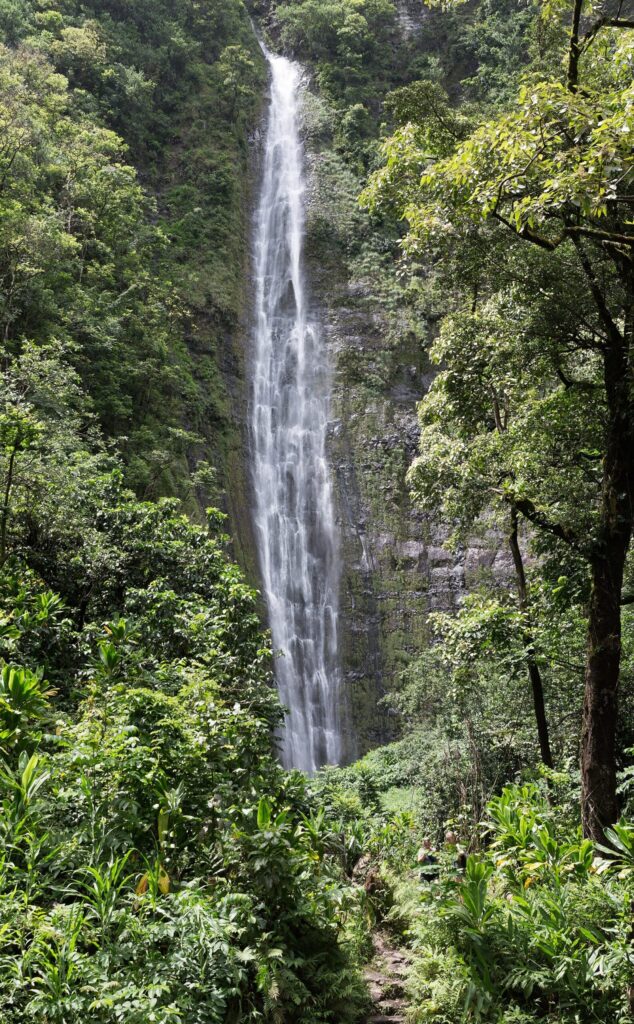
What should you not bring to Hawaii?
Leave the full-size cooler and beach chairs at home; most condos and resorts stock them, and airlines charge by the bag for anything checked. Chemical sunscreens are worth leaving behind entirely, even ones packed from home. On Maui that is not just good manners, it is the ordinance: the county bans use, not only sale. Elsewhere in the state the law stops at the cash register, but the reef does not know the difference. Paper maps and park brochures are unnecessary too. Most island attractions, including Haleakala’s sunrise viewing, run reservations online instead. Finally, resist overpacking outfits for each day; three or four mix-and-match layers cover a week more easily than a new outfit for every activity.
Haleakala Sunrise Reservation
Haleakala sunrise reservations open 60 days before a visit, per the National Park Service. A portion of each day’s tickets are also released 48 hours ahead, so late planners still have a shot. Snorkeling tours, luau tickets, and popular hiking permits on other islands often work the same way. Check each activity’s own booking window instead of assuming a single rule covers the whole trip. Building the packing list around confirmed reservations, not hoped-for ones, keeps gear decisions simple.

Hawaii State Park Reservations
Haleakala runs on the National Park Service system, and the state parks run on their own. That catches people out, because the windows are different. Non-residents have to reserve entry and parking online at Diamond Head on Oahu, Waianapanapa on the Road to Hana, and Haena on Kauai, and those reservations open 30 days ahead rather than 60, per Hawaii State Parks. Haena also prices entry separately, at $5 a person or $10 a vehicle with the driver and passengers included.
Two details are worth writing down. You have to arrive inside the first 30 minutes of your slot or you can be turned away with no refund, and Hawaii residents are exempt from both the fee and the reservation while anyone travelling with them is not. Book the state parks the day your 30-day window opens, the same way you would treat a Haleakala sunrise, and pack around what you actually hold rather than what you hope to get.
Hawaii Beach Packing List
A beach day needs less than people bring and more than they expect in two places: feet and shade. Closed-toe water shoes handle lava rock and reef flats that flip-flops cannot, and a mesh bag keeps wet swimwear away from everything dry in the same suitcase. A rash guard does more work than a second bottle of sunscreen. Leave the cooler and the chairs; the condo has them.
The other thing to pack is distance. Green sea turtles haul out on the sand, and monk seals do too, and the animal being right there is not an invitation. NOAA asks for 10 feet from a turtle and 50 feet from a monk seal, or 150 feet from a mother with a pup. Spinner dolphins and humpback whales are not guidelines at all: federal law keeps you 50 yards from the dolphins and 100 yards from the whales, and the whale rule applies to a drone exactly as it applies to a kayak, per NOAA Fisheries. If you are packing a drone, that is the rule to know before it comes out of the bag.
Hawaii Packing List Carry On
TSA’s rule allows containers of 3.4 ounces, or 100 milliliters, each. All of them must fit into one quart-size bag, per TSA’s published guidance. Reef-safe sunscreen, bug spray, and any liquid medication all count toward that single bag. So, travel sizes are worth buying before departure rather than decanting at the airport. Anything larger simply goes in checked luggage instead, where the liquids rule does not apply.
Hawaii Clothes Packing List
Lightweight, quick-dry fabrics beat cotton for humid island weather, since cotton stays damp long after a rain shower passes. Pack one light rain jacket instead of a heavy one; island showers tend to be short and frequent rather than prolonged. Closed-toe water shoes also protect against lava rock and reef flats better than flip-flops, which slip on wet stone. Finally, one set of modest cover-up clothing earns its spot for boat tours or restaurants with a dress code. Because humidity keeps damp clothes from drying overnight, pack a few extra pairs of socks and underwear instead of counting on laundry. A mesh bag also helps separate wet swimwear from dry clothes in the same suitcase.
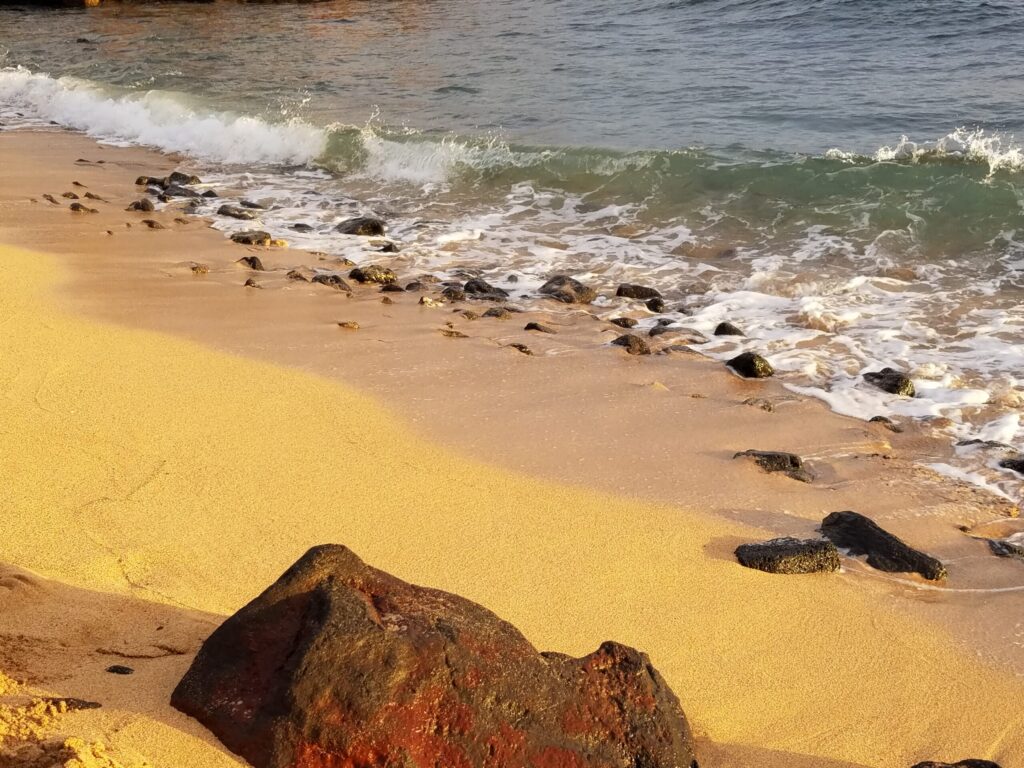
Hawaii Sunscreen Law
Forgetting reef-safe sunscreen causes the most regret. Hawaii’s sunscreen law means the familiar drugstore brand from home may not be sold on the islands at all. I have found that packing one full bottle per traveler, plus a travel size for the carry-on bag, removes the single most common vacation-morning scramble. Everything else on this list is easy to replace locally; a compliant sunscreen is not always guaranteed to be. That one substitution is worth double-checking before the suitcase ever gets zipped. A second, smaller regret is packing too many shoes; two pairs, one closed-toe and one sandal, cover nearly every activity on an island trip. Keep the rest of the packing list this simple, and there is more room left for what actually gets used.
What documents do I need to fly to Hawaii?
A government-issued photo ID is required for domestic flights, so check that it has not expired before departure. Hawaii uses standard US electrical outlets, so travelers from the mainland need no adapter at all. However, an international visitor still needs a US-style plug adapter, since the voltage and outlet shape follow the mainland standard. Save a digital copy of every reservation offline too, from rental cars to Haleakala sunrise tickets, since cell service drops fast in remote areas. Cash still helps for small parking lots and farm stands that do not take cards.
A spare phone charger and a portable battery are worth the small extra weight on long driving days between stops. Also, a lightweight day bag makes hikes and beach days easier once the main suitcase is back at the hotel. Because rental cars often sit in open lots, a shade cover or reflective sunshade also keeps electronics from overheating during a midday stop. That small item earns its space quickly on a sunny drive around any island.
Heading to Kauai? Our Na Pali boat tour guide covers what to bring on the boat. Still choosing where to go? Which Hawaiian island to visit first compares them.
Frequently asked questions about a hawaii packing list
Is sunscreen banned in Hawaii?
Sale is banned statewide for sunscreens containing oxybenzone or octinoxate, per Act 104, and Maui County bans the use of any non-mineral sunscreen, per Ordinance 5306. Pack a mineral formula instead.
How much sunscreen belongs on a 7-day Hawaii packing list?
One full bottle per traveler, plus a travel-size container under 3.4 ounces for the carry-on bag, covers most week-long trips, per TSA’s liquids rule.
When do Haleakala sunrise reservations open?
Haleakala sunrise reservations open 60 days ahead, and some are released 48 hours in advance, per the National Park Service.
What sunscreen is not allowed in Hawaii?
Statewide, sunscreens containing oxybenzone or octinoxate cannot be sold, per Act 104. In Maui County the rule is stricter and covers use as well: anything other than a mineral sunscreen with zinc oxide or titanium dioxide is prohibited without a prescription, per Ordinance 5306.
How close can you get to a sea turtle in Hawaii?
NOAA asks people to stay at least 10 feet from green sea turtles and 50 feet from Hawaiian monk seals, or 150 feet from a mother and pup. Those are guidelines. The distances that carry the force of federal law are 50 yards from spinner dolphins and 100 yards from humpback whales, and the whale rule counts drones too, per NOAA Fisheries.
Should a beach towel be on your Hawaii packing list?
Usually not. Most condos and resorts stock towels, and buying or borrowing on arrival beats paying an airline’s checked-bag fee. It also frees up suitcase space for the sunscreen and rash guards that are harder to replace once you land.
For more packing ideas, see more Hawaii travel guides and packing lists for other destinations.
Updated September 23, 2026.
Prices are approximate, current as of publication, and change frequently — confirm the latest price with the retailer before buying.
Photo credits: (1) Waimoku Falls at the end of the Pipiwai… — Ekrem Canli, CC BY-SA 4.0, via Wikimedia Commons.