

Some links on our site may earn us a commission at no extra cost to you. Learn more.
The best time to visit the Caribbean is December through April. Rain is scarce then, and hurricane risk is close to zero. Late April through mid-June is the best value stretch. Crowds thin out and prices drop before the wet season builds. June through November brings the highest storm risk. A handful of southern islands sit far enough from the belt to mostly dodge it.
I’ve built Caribbean trips around every point on that calendar. Packed dry-season Decembers. Quiet October weeks with half-empty ferries. A couple of late-summer trips I’d plan again without changing much. Boating and snorkeling around South Florida for most of my life taught me to read a forecast before I read a beach guide, and that habit carries straight over to the islands. There’s no single best month. It comes down to what you’re actually chasing on this trip: a guaranteed dry week, a cheap flight, or the quietest possible beach.
Best Time to Visit the Caribbean for Good Weather
December through mid-April is the region’s dry season. It’s dry almost everywhere at once — the Bahamas, the Greater Antilles, the Eastern Caribbean, all of it. Skies stay clearer. Humidity drops. The risk of a storm derailing a trip is about as low as it gets. It’s also the most expensive, most crowded stretch of the year, especially around the winter holidays and February school breaks.
Late April, May, and the first half of June are the sweet spot we point people toward when price matters more than a guaranteed sunny week. The dry season hasn’t fully broken yet. Flights and rooms cost less. Beaches aren’t packed. It’s a short window, and it’s the one that gets overlooked.
Expect daytime highs in the low-to-mid 80s across most of the region during dry season, with lower humidity than summer brings. Trade winds keep it comfortable even on a beach with no shade. Water temperatures stay swimmable well into winter, so a January trip doesn’t mean a cold ocean. Evenings cool off enough for a light layer, especially in hillier spots like Puerto Rico’s interior or the higher elevations of Jamaica.
| Months | Season | Crowds & Prices | Storm Risk |
|---|---|---|---|
| December–April | Dry season | Highest crowds, highest prices | Low |
| Late April–mid-June | Transition | Thinner crowds, better rates | Rising |
| July–August | Wet, hot | Family-travel bump, mid-range rates | Elevated |
| September–October | Wet season peak | Lowest crowds, cheapest rates | Highest |
| November | Wet season tapering | Rates and crowds start climbing again | Moderate, easing |
Still choosing a destination instead of a date? Our guide to the best Caribbean islands to visit breaks down which ones fit which kind of trip, month aside.
When Is Hurricane Season in the Caribbean?
The National Hurricane Center puts the Atlantic hurricane season at June 1 through November 30. The statistical peak lands around September 10. That six-month window covers the entire Caribbean basin, not just one island or coast. Storms can form anywhere across the Atlantic, the Gulf, or the Caribbean Sea itself during those months.
Risk isn’t flat across the season. Early June and late November see far fewer storms than mid-August through mid-October. Warm ocean water and low wind shear line up during that stretch, and development gets easier. Book an October trip and you’re carrying real risk of a rerouted flight or a rainy week. Book one for early June, and you usually aren’t.
Watches and warnings tend to get posted days apart, not hours, so there’s usually time to adjust plans before a storm arrives. Most travelers who get caught by one simply ride out a rainy day or two indoors rather than losing the whole trip.
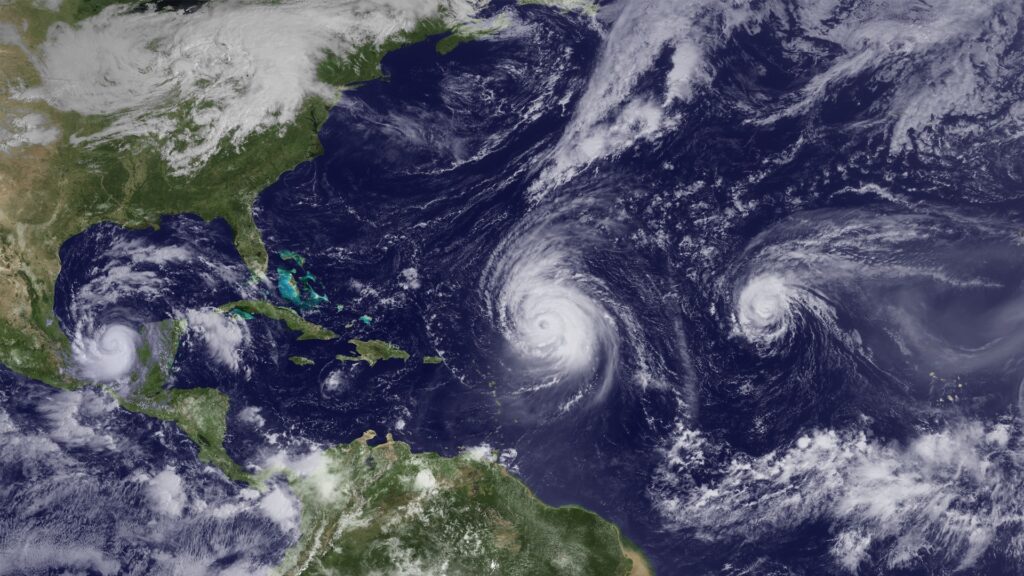
None of this means the islands sit empty from June to November. Most storms miss any given island entirely. Travel insurance with a hurricane or cancel-for-any-reason clause is cheap next to the cost of the trip. Off-season hotel rates drop enough that plenty of travelers take that trade-off on purpose. We cover the same trade-off, in more detail, in our Florida Keys hurricane season guide, and most of it applies just as well further south.
Best Caribbean Islands to Visit During Hurricane Season
Not every Caribbean island carries the same storm risk. Aruba, Bonaire, and Curaçao — the ABC islands, just off the Venezuelan coast — lie south of the main hurricane track. They get hit only rarely, sometimes going years without a direct strike. Trinidad and Tobago, even further south, share that same low-risk spot on the map.
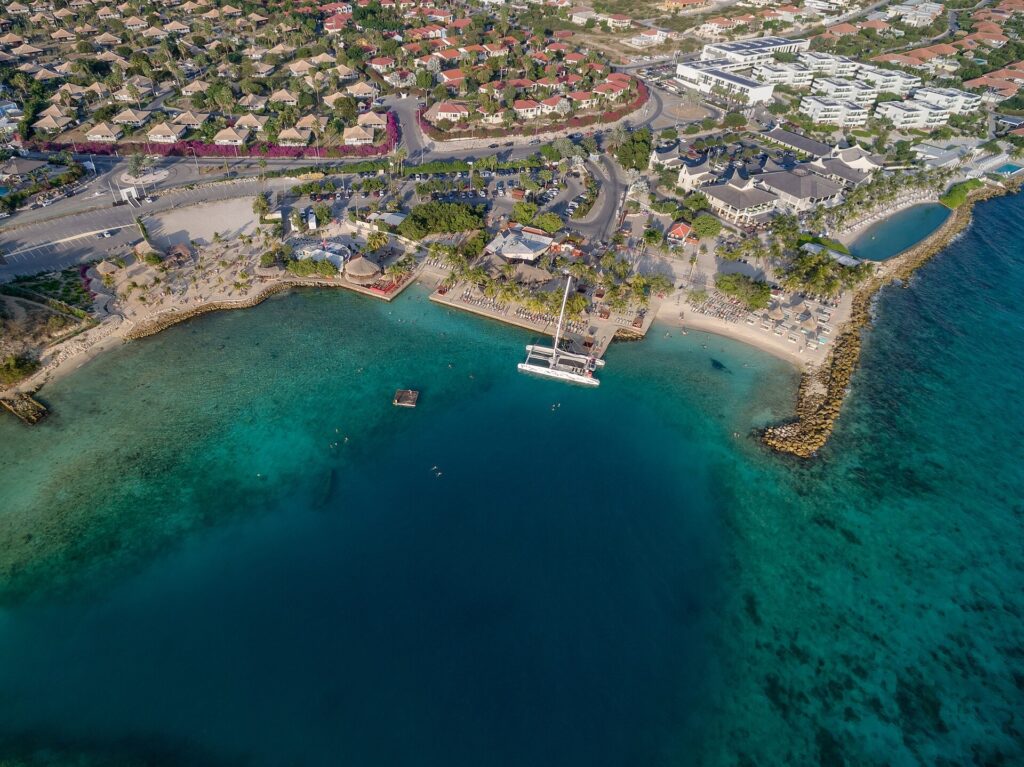
That doesn’t mean zero risk. A storm can still clip the southern Caribbean in a bad year. But it’s the closest thing the region has to a summer-safe bet. Aruba pairs that lower risk with calm, shallow beaches and near-constant trade winds. That combination is part of why it shows up on our list of the best Caribbean islands for families too.
Puerto Rico, the U.S. and British Virgin Islands, and the northern Bahamas sit closer to the middle of the belt. They see more storm activity in a typical season. That’s not a reason to skip them. It’s a reason to aim those trips at the dry season if a guaranteed clear week matters more than a discount.
These southern islands aren’t dry, either. The ABC islands catch brief, blustery tradewind showers rather than sustained storm systems. That’s a different kind of rain than the northern Caribbean deals with in summer, and a much easier one to plan a beach day around. A short squall usually clears in twenty minutes, and the wind that brings it is part of what keeps the diving and windsurfing conditions good year-round.
When Is Sargassum the Worst in the Caribbean?
Sargassum is the brown, stringy seaweed that’s been washing up on Caribbean and Yucatán beaches in heavy mats since around 2011. It builds through spring and tends to peak over summer, according to the University of South Florida’s satellite tracking lab. The amount varies a lot from year to year, and even from one beach to the next on the same coast.
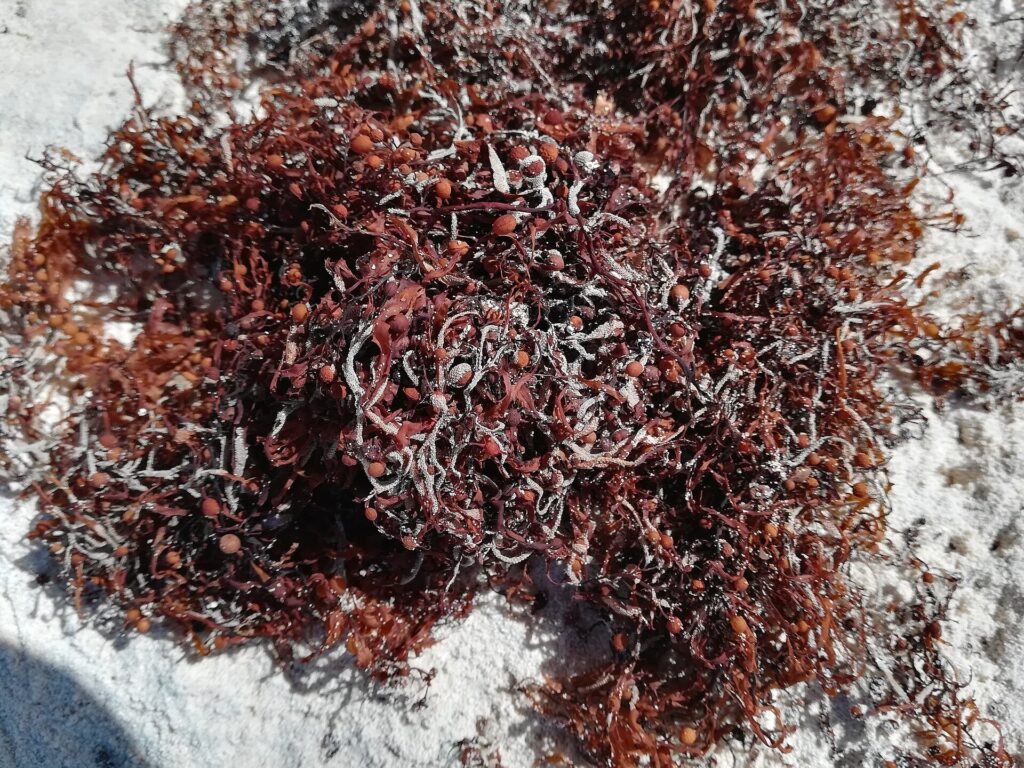
East-facing beaches catch the worst of it. The mats drift in on the prevailing current. The Yucatán coast around Cancun and Tulum, Playa del Carmen, and the eastern shores of Puerto Rico and Jamaica are the usual hot spots. West-facing beaches on those same islands tend to stay cleaner, even in a heavy year. So does the southern Caribbean generally.
If a seaweed-free beach is a dealbreaker, aim for winter through early spring. A west-facing or southern island is also a safer bet than an east-facing one, no matter the month.
A sargassum-covered beach isn’t unsafe to swim at, just unpleasant to look at and walk across. Resorts on busy stretches typically rake it daily during the season, so a property with a good grounds crew can still deliver a clean beach even on a bad sargassum week.
When Is Cruise Wave Season?
Cruise lines call January through March “wave season.” It’s the industry’s biggest promotional window of the year. Lines roll out deposit deals, onboard credit, and cabin upgrades to fill winter sailings. That makes it a genuinely good window to book a Caribbean cruise, even though it’s also peak dry-season pricing for anyone flying in and staying on land. The deals apply to the cruise fare itself, not the flight to the port, so factor airfare in separately before comparing a wave-season sailing against a fall one.
Fall sailings run the opposite way. September and October bring lower cruise fares, but the highest hurricane risk of the year. Lines do sometimes reroute an itinerary around a storm with little notice. A late-spring or early-summer sailing usually splits the difference: better rates than wave season, lower storm odds than fall.
Booking six to nine months out generally gets the best wave-season cabin selection, since the best categories sell out first. Waiting until closer to departure tends to work better for fall sailings, when lines discount harder to keep ships full through the slower storm-season months.
Whatever month you land on, build your suitcase around our Caribbean packing list. If you’re sailing, our cruise packing list covers what the ship itself won’t hand you.
When Is the Best Time to Visit the Caribbean?
A few quick answers to the questions we hear most about timing a Caribbean trip.
What Is the Best Month to Visit the Caribbean?
Most people land on December through April. The dry season delivers the most reliable sun and the lowest storm risk. Travel in late April or May instead, and you’ll get most of that same weather for less money and fewer crowds.
What Is the Cheapest Time to Visit the Caribbean?
September and October are consistently the cheapest months across the region, for flights and hotel rooms alike. That’s also the peak of hurricane season. The discount comes with a real trade-off, not a free lunch.
Is It Safe to Travel to the Caribbean During Hurricane Season?
Generally, yes. Most storms miss any single island, and forecasters typically give several days of warning before one gets close. The bigger practical risk is a canceled or delayed flight. That’s why travel insurance is worth the cost for a June-through-November trip.
Do the ABC Islands Get Hurricanes?
Rarely. Aruba, Bonaire, and Curaçao sit far enough south of the main storm track that direct hits are uncommon. That’s why they’re a common pick for a summer or fall Caribbean trip, when other islands carry more risk.
What Is the Rainy Season in the Caribbean?
Roughly May through November, though it rarely rains all day. Most wet-season days bring a short afternoon downpour followed by sun again, not a washed-out week.
Published October 5, 2026.
Photo credits: (1) featured, Turquoise water and white sand beach at… — Csouthard, CC BY-SA 3.0, via Wikimedia Commons; (2) NOAA satellite image showing three tropical… — NOAA, U.S. Government work, public domain, via Wikimedia Commons; (3) Aerial view of Jan Thiel beach on Curacao… — dronepicr, CC BY 2.0, via Wikimedia Commons.