

Some links on our site may earn us a commission at no extra cost to you. Learn more.
The best Tokyo itinerary for five days groups each day by neighborhood and train line. You spend your time at the sights, not on platforms. Day 1 is Asakusa and the Skytree, day 2 is Meiji Jingu and Shibuya, and day 3 is the East Gardens and teamLab Planets. Day 4 is one day trip and day 5 is a flex day. Every price, hour and rule below comes from official pages as of early October 2026, so recheck the ones that move.
We have travelled all over the world, and the big-city trips that work are the ones with a plan for each day. We have done city days with nieces and nephews along, and the day that falls apart has three train changes and no lunch. I would put a transit card on my phone before leaving the airport. I would book the two timed stops before anything else.
Tokyo itinerary 5 days
Five days covers the first-timer list plus one day trip if you cluster. The table shows the order. Costs are what the operators print, in yen, and they leave out meals and the day-trip fare.
| Day | Area | Plan | Transport | Cost |
|---|---|---|---|---|
| 1 | Asakusa | Arrive, Senso-ji, Skytree | Airport train, then Ginza Line | Skyliner: check Keisei’s fare page; Skytree about ¥2,600 in October |
| 2 | Harajuku, Shibuya | Meiji Jingu, Shibuya Sky | Walk and short rides | Shrine free; Sky ¥2,700 online before 3 PM |
| 3 | Marunouchi, Toyosu | East Gardens, teamLab Planets | Subway, then Yurikamome | Gardens free; teamLab from ¥3,800 |
| 4 | Kamakura | Great Buddha, shrine | JR from Tokyo Station, 53 minutes | Fare at the ticket machine |
| 5 | Shinjuku or Mitaka | Flex day, Ghibli Museum if ticketed | Subway or JR | Ghibli ¥1,000, ages 19 and up |
If you land late on day 1, drop the Skytree and keep Asakusa. Nothing else in the plan depends on it.
5 day Tokyo itinerary
The days below follow the table. Each one has an anchor stop and room to drop the rest. Swap days freely if the forecast turns, except the two timed tickets, which you book first.
Tokyo itinerary Asakusa
Asakusa is the easiest first day. Senso-ji is free, and GO TOKYO puts Asakusa Station a five-minute walk away. The Ginza Line, Asakusa Line, Tobu Isesaki Line and Tsukuba Express all stop there. Walk in under the Kaminarimon gate and up the shopping street to the main hall. Go early, before the street fills.

The Skytree is a short ride from there. On the Skytree ticket page, the Tembo Deck runs 10:00 to 21:00, with last admission at 20:00. Prices change by date. The ticket page lists adults from ¥1,800, and its date calendar showed ¥2,600 on most October days and ¥2,800 on some weekends. Tickets come from the Skytree web ticket site or a Seven-Eleven copier in Japan.

Tokyo itinerary Shibuya
Start at Meiji Jingu. The shrine opens at sunrise and closes at sunset, and its own visitor page gives 6:40 a.m. to 4:20 p.m. for January and 5:00 a.m. to 6:30 p.m. for June. The grounds are free every day, and some buildings inside keep shorter hours, mostly 9:00 a.m. to 4:00 p.m.
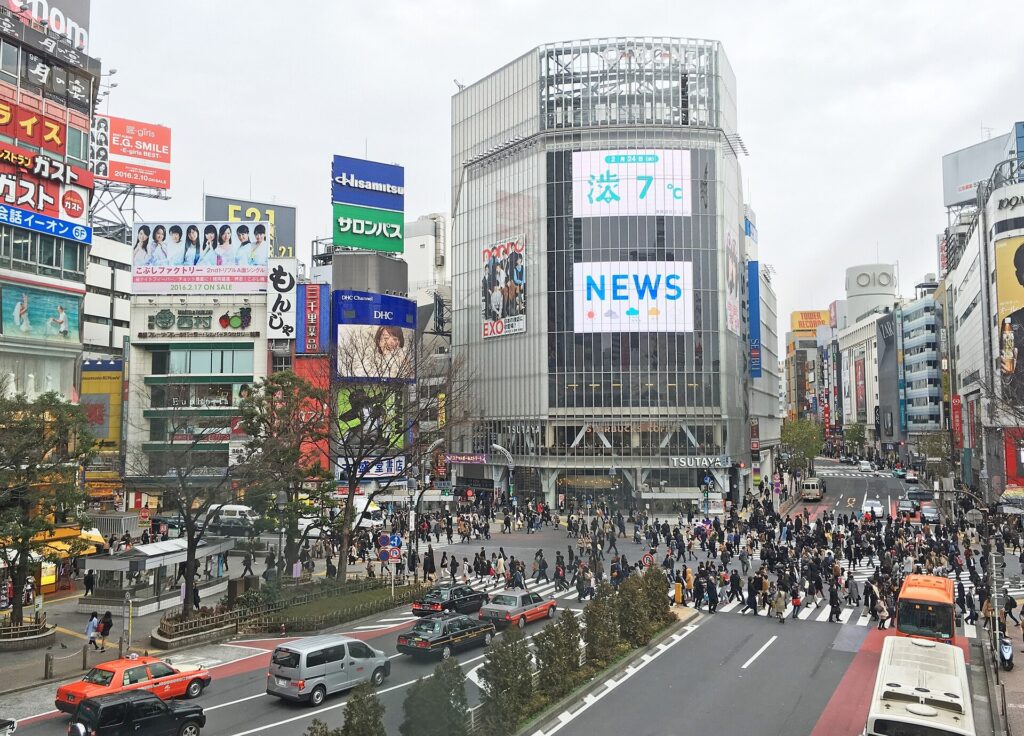
Harajuku sits next door for the shopping streets, and Shibuya is a short train ride beyond it. Save the late afternoon for Shibuya Sky, 230 meters up on top of Shibuya Scramble Square. GO TOKYO lists hours of 10:00 to 22:30, with last admission at 21:20.
Online tickets cost ¥2,700 before 3 PM and ¥3,400 from 3 PM on that page. Counter tickets cost ¥3,000 and ¥3,700. It suggests arriving about 30 minutes before sunset. It also warns that the rooftop can close in bad weather, with no refunds after entry.
Tokyo itinerary teamLab Planets
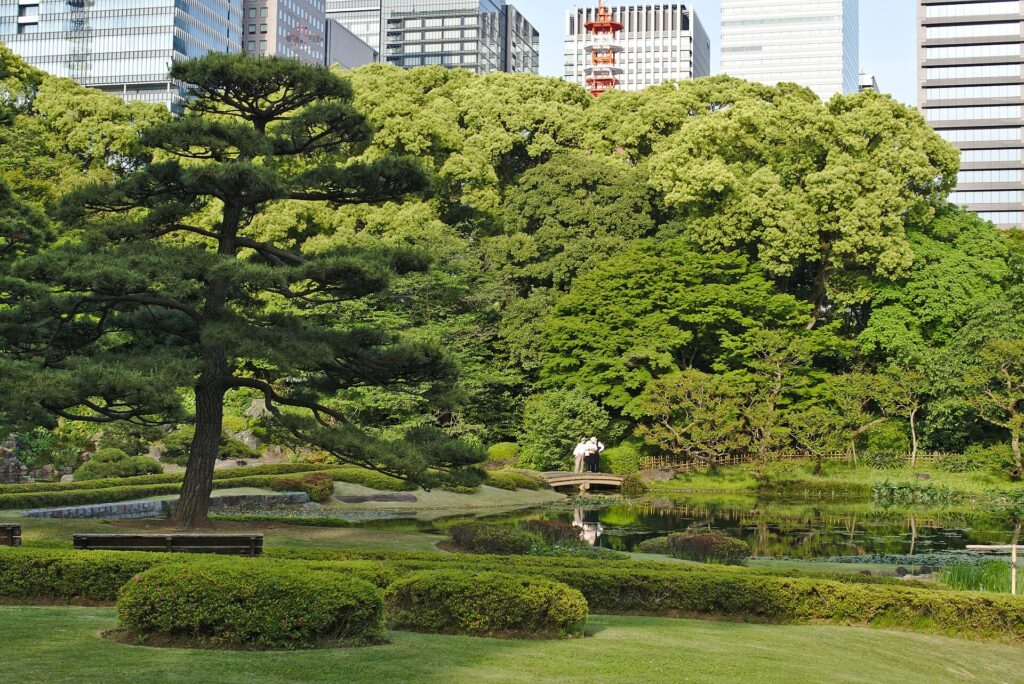
Spend the morning at the Imperial Palace East Gardens, which the Imperial Household Agency lists as free. The gardens page says they close every Monday and Friday except national holidays. Swap days if day 3 lands on one, and check that page for one-off closures. In October the gardens open 9:00 to 16:30, with entry until 16:00. From November 1 the hours drop to 9:00 to 16:00.
teamLab Planets is the first timed stop. Its ticket page says admission time is specified and tickets are not sold on-site. Prices vary by date, and adults pay from ¥3,800. You can change a booking until 2 hours before your entry time.
Part of the visit is barefoot, in water that the page says can reach knee height even for adults. Wear trousers that roll up. The closest stop is Shin-Toyosu, a one-minute walk from the north exit. The page lists closed Thursdays on November 5 and December 3.
Tokyo day trips
Kamakura is the easy one. GO TOKYO puts it at 53 minutes from Tokyo Station on the JR line, or 58 minutes direct from Shinjuku. The Great Buddha sits on the grounds of Kotoku-in, a 7-minute walk from Hase Station on the Enoshima railway.

Nikko is a longer day. GO TOKYO lists 2 hours from Tobu-Asakusa by limited express, for three World Heritage shrines and temples. The Tobu Nikko Pass World Heritage Area costs ¥3,000 for adults and covers 1 to 2 days. It excludes the limited-express fare and temple entry fees.
Hakone is 1 hour 30 minutes from Shinjuku by limited express, GO TOKYO says. Check the Hakone Free Pass price on the Hakone tourism site before you choose it. I would take Kamakura on a first trip and save Nikko for a longer one.
Tokyo itinerary Shinjuku
Day 5 stays loose. If you hold a Ghibli Museum ticket, put Mitaka first. The museum says admission is by advance reservation only, at ¥1,000 for ages 19 and up. Its ticket page lists two sellers. Sunrise Tours JTB sells a bus tour that lists the museum among its stops. LAWSON TICKET opens at 10:00 Japan time on the 10th for the following month.
Without a ticket, spend the day in Shinjuku or repeat the stop you liked best. Keep the evening free to pack.
Tokyo airport transfer
From Narita, the Skyliner runs to Nippori and Keisei Ueno. Keisei’s fare page has the current Skyliner fare, and Keisei says it takes as little as 36 minutes. Narita Airport’s rail page says the JR Narita Express serves Tokyo, Shinjuku, Shibuya, Shinagawa and Yokohama. Check the Narita Express fare at the airport counter.
From Haneda Terminal 3, GO TOKYO lists 11 minutes to Shinagawa by Keikyu Rapid Express. It lists 13 minutes to Hamamatsucho by Tokyo Monorail. The Yamanote Line carries you on to Tokyo Station. The limousine bus takes 55 minutes to Tokyo Station or Shinjuku, and the fares are on the operators’ own pages.
Tokyo transit card
Get a transit card on day one. Suica and PASMO work on trains, subways and buses. GO TOKYO says station machines sell them with a ¥500 refundable deposit. Welcome Suica and Tourist PASMO need no deposit but last only 28 days. Card sales have been paused before, so check what is on sale when you land.
JR East’s Welcome Suica Mobile app is for iPhones. Its page says the Suica is valid for 180 days, with the balance non-refundable. It also warns that some countries’ rules can block setup until after you arrive. The same page lists Suica in Apple Wallet and Google Wallet as separate options. If setup will not take before you fly, do it in the arrivals hall.
Tokyo Metro fares run from ¥180 to ¥330, and Toei fares from ¥180 to ¥430, according to GO TOKYO. Tokyo Metro sells the Tokyo Subway Ticket for adults at ¥1,000 for 24 hours. The 48-hour ticket is ¥1,500 and the 72-hour is ¥2,000. It covers the subway lines only, so JR rides still need a card. Add up your planned subway rides first, and if the total is under ¥1,000 a day, skip the pass.
Tokyo itinerary first time
Book in this order. Ghibli comes first because its tickets sell only in monthly windows. Then teamLab, then Shibuya Sky once the forecast looks clear. A first Tokyo itinerary needs only those three booked. Everything else is a walk-up.
- Ghibli Museum: advance only, sold in monthly windows, if you want it.
- teamLab Planets: pick the entry time, change it up to 2 hours before.
- Shibuya Sky: book online for the small discount, which the tourism board says can still be done the same day if spaces remain. Sunset slots can sell out, so check the official ticket page early.
- Skytree: buy the web ticket, or skip it if Shibuya Sky is already on the list.
The honest cut is the second observation deck. Skytree and Shibuya Sky show the same city. If the budget is tight, I would keep Shibuya Sky for the sunset slot and drop the Skytree.
Tokyo entry requirements
For US citizens, the State Department’s Japan page says no visa is needed for stays under 90 days. The passport must be valid for the entire stay, with one blank page per entry stamp. All visitors are fingerprinted and photographed on arrival. That page was last updated August 11, 2025. Japan’s foreign ministry also lists a 90-day visa-free stay for the United States.
Visit Japan Web is the government’s online service for immigration, customs and tax-free shopping procedures. Japan’s tourism board says bringing in meat, meat products, plants and plant products is strictly prohibited. The State Department page says ¥1,000,000 or more in currency must be declared on entry and exit.
Tokyo cash or card
Carry cash. GO TOKYO calls Tokyo a relatively cash-based city and suggests carrying ¥20,000 to ¥30,000 a day. Seven Bank ATMs in 7-Eleven stores take international cards, and so do Japan Post Bank ATMs in post offices.
Tipping is not practiced, and Japan’s tourism board says it is not common in bars, cafes, restaurants, taxis or hotels. Some places add a service charge instead. On trains, keep your voice down, and expect to queue on the platform.
Tokyo luggage forwarding
GO TOKYO says Haneda and Narita both offer baggage delivery to hotels. A bag generally arrives a day later. Hotels can also arrange onward delivery, including back to the airport. Station coin lockers run about ¥400 to ¥500 for small, ¥700 to ¥800 for large and about ¥1,200 for extra large. Many accept a Suica or PASMO.
A light bag makes the forwarding optional. Our carry-on-only packing list, packing cubes guide and carry-on backpack guide cover the packing. The TSA PreCheck, Global Entry and CLEAR comparison helps with the line when you land back home.
Best time to visit Tokyo
The Japan Meteorological Agency’s 1991 to 2020 normals put Tokyo’s mean temperature at 5.4°C in January and 14.3°C in April. August is 26.9°C and October is 18.0°C. October is also the wettest month in the table at 234.8 mm, just ahead of September at 224.9 mm. The agency prints Celsius, so these are its figures as given.
Typhoons matter in the same months. The agency’s tourist page says 11.7 tropical cyclones approach Japan in an average year. August and September get 3.3 each, and October gets 1.7. GO TOKYO posts typhoon notices on its home page when a storm nears the Kanto area. Move Shibuya Sky first when the forecast is bad, since the rooftop can close.
How many days do you need in Tokyo?
Three days covers the core areas with no day trip. Five days adds a day trip and a flex day. Seven days starts to repeat the same kinds of stops. Five is the number this plan is built on.
Is 5 days in Tokyo enough?
Yes, for a first visit. Five days fits Asakusa, Meiji Jingu, Shibuya, the East Gardens, teamLab Planets and one day trip. A second trip is the time for Hakone or Nikko.
Do you need a JR Pass in Tokyo?
No, not for this plan. Tokyo Metro fares run from ¥180 to ¥330 a ride, and the plan takes one day trip. Japan’s rail operator JR East listed the JR Tokyo Wide Pass at ¥16,000 for adults in early October 2026, for three consecutive days. It only pays if you stack day trips. Add up the actual fares before you buy anything.
Is tipping expected in Tokyo?
No. Japan’s tourism board says tipping is not common in bars, cafes, restaurants, taxis or hotels. A private guide used to overseas visitors may accept one, and it goes in an envelope.
Does Tokyo take credit cards?
Often, but not everywhere. GO TOKYO says plenty of places take them and independent shops may not. Carry cash for the rest.
Prices are approximate, current as of publication, and change frequently — confirm the latest price with the retailer before buying.
Published October 17, 2026.
Photo credits: (1) Tokyo Skytree tower rising above the Sumida… — そらみみ (Soramimi), CC BY-SA 4.0, via Wikimedia Commons; (2) Pedestrians crossing the Shibuya scramble… — Hide1228, CC BY-SA 4.0, via Wikimedia Commons; (3) Lake in the East Gardens of the Imperial… — Alexander Klink, CC BY 4.0, via Wikimedia Commons; (4) Bronze Great Buddha statue at Kotoku-in… — Alexandar Vujadinovic, CC BY-SA 4.0, via Wikimedia Commons.