

Some links on our site may earn us a commission at no extra cost to you. Learn more.
The best Sanibel shelling happens at low tide and first light on a Gulf-facing beach, ideally the morning after a winter cold front. Bowman’s Beach and Blind Pass are the two to start with. Any shell with a live animal inside has to stay where it is.
We have done beach days with nieces and nephews along, and most of them fizzle by mid-morning. Shelling does not. Everyone ends up walking the waterline bent over with eyes down, and nobody asks when lunch is.
I would set the alarm for before sunrise and pack light. A mesh bag, a hat and water are plenty, and the umbrella, the cooler wagon and the second tote can stay in the car, because the only thing coming home with you is shells.
Why Is Sanibel So Good for Shelling?
Sanibel runs east to west along the Gulf of Mexico, so the whole island lies like a shelf across whatever the water carries in. The city’s Lighthouse Beach page credits that east-west orientation for catching a wide variety of seashells. Storms and winter fronts stir up the Gulf floor, and the shells arrive in drifts along the tide line.
Expect lightning whelks with brown streaks, alphabet cones, calico scallops, fighting conchs, olives, tulips and cockles. Lion’s paws, scotch bonnets and angel wings turn up less often. The junonia, a spotted spiral shell, is the one everybody hopes for, and finding one is luck rather than skill.
Best Time for Shelling on Sanibel Island
Winter is the season. VisitFlorida’s Bowman’s Beach guide puts prime shelling at November through April, when winter storms push shells ashore in large numbers. The best single morning is the one after a cold front has blown through and the Gulf has been churned overnight.
Tide matters more than the month. Low tide exposes fresh sand and the line of shells the water left behind, so aim to be on the beach about an hour before the lowest tide of the morning. NOAA Tides & Currents publishes tide predictions by station; choose the one nearest the island and check it the night before.
Early beats late, because the best of the beach is picked over by mid-morning. A headlamp helps on the path in the dark, but the city’s beach protection page lists sea turtle nesting as May 1 through October 31. In those months wait for first light and keep any light off the sand.
Winter also suits the rest of a Florida trip. Our guide to the best time to see manatees in Florida covers the cool-season side of the state, and the Florida springs road trip picks up if you are driving inland afterward.
Sanibel Island Shelling Beaches
Three beaches do most of the work: Bowman’s Beach, Lighthouse Beach and Blind Pass. All three face the Gulf and all three charge for parking. The table puts them side by side, with fees from the city and Visit Fort Myers on the date checked.
| Beach | Parking | What you find | Best tide |
|---|---|---|---|
| Bowman’s Beach | $5 an hour, city lot | Cockles, tulips, olives, lightning whelks | Low tide, early morning |
| Lighthouse Beach | $5 an hour; some lots were closed in September 2026, so check first | Mixed Gulf shells at the island’s eastern tip | Low tide, early morning |
| Blind Pass | $5 an hour; Lee County passes not valid | Strong variety, best at low tide | About an hour before low tide |
Bowman’s Beach
Bowman’s Beach is the one I would pick if I only had one morning. A short sandy trail leads from the lot over a lagoon and through trees, about a five-minute walk according to VisitFlorida, and then the shoreline opens up. The water is calm and the beach is long and shell-strewn.
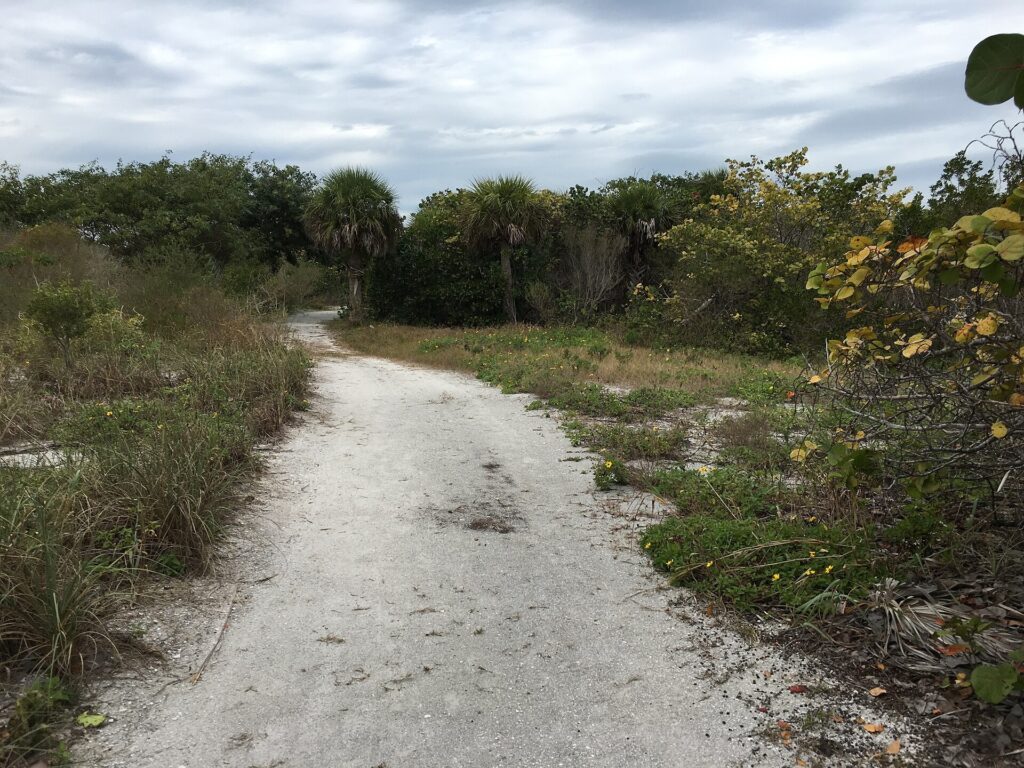
The park has restrooms, outdoor showers and picnic areas. It has no concessions, so bring water and food with you. Annual parking stickers are accepted here.
Lighthouse Beach
Lighthouse Beach sits at the eastern tip of the island next to the Sanibel Island Light. The city lists it as open around the clock, with parking at $5 an hour enforced 24 hours a day. It is a good swimming beach as well as a shelling one, which helps if the group is split on what they came for.

The city’s page says recovery efforts are ongoing here. It asks visitors to take care along the shoreline and in the water, because some buried debris may still be present.
Blind Pass Beach
Blind Pass is the narrow channel between Sanibel and Captiva, and the water moving through it keeps feeding the beaches on both sides. The Sanibel-side beach park and Turner Beach on the Captiva side both charge $5 an hour. Visit Fort Myers calls Blind Pass excellent for shells, especially at low tide, and the restrooms are across the bridge at Turner Beach.

How Much Is Parking on Sanibel Island?
City of Sanibel beach parks, including Bowman’s Beach, Blind Pass and Turner Beach on Captiva, charge $5 an hour around the clock, according to the city’s beach parking page. You pay by text message from a U.S. phone, or through sanibelparking.com if you are visiting from abroad. Vehicles with a valid disability placard or plate park free at the city’s beach parks.
Visit Fort Myers says Lee County annual stickers are valid only at Bowman’s Beach, and the city says they are not valid at Blind Pass. At Alison Hagerup Beach Park on Captiva, Visit Fort Myers lists $15 to $40 depending on how long you stay. Set a phone alarm for the end of your time, because shelling has a way of stretching.
Sanibel Causeway Toll
The Sanibel Causeway is the only road onto the island, so the toll is part of the budget. Lee County’s toll page lists $6.00 for a two-axle vehicle at the Sanibel toll plaza with a transponder or prepaid account. Paying by plate adds an administrative fee on top of the $6.00, so a transponder is the cheaper way across.
Sanibel Island Shelling Rules
Sanibel has one rule that matters: you may not harvest or possess live shellfish. The city’s shelling regulations page says this covers all Sanibel beaches and the water out to one-half mile from shore, under Florida Fish and Wildlife Conservation Commission Rule 68B-26. Sand dollars, sea stars and sea urchins are protected as well.
The penalty is a $500 fine and 60 days in jail for a first offense. That is a steep price for a souvenir.
The state adds its own limits. The FWC shell-collecting page says that in Lee County you cannot harvest a shell with a live organism inside, except oysters, hard clams, sunray venus clams and coquinas. Live queen conch can never be kept, and all harvest of the Bahama starfish is prohibited.
The practical test is short. Turn the shell over, and if anything is inside or moving, set it back in the water where you found it. Pick up only empty shells and none of this comes up.
Sanibel Shelling Tips
A mesh bag is the one piece of gear that matters, because sand and water drain out and you can see what you are carrying. Add water shoes, which Visit Fort Myers recommends for debris on beaches still recovering, plus a hat and sunscreen. A headlamp is for the walk in, not for the sand.
Do the Sanibel stoop: bend at the waist, walk the waterline slowly and read the line of shells the last wave left. Your back will complain by the second hour. That is normal, and it is the main reason people stop.
Our beach vacation packing list covers the sun-and-sand basics. For a shelling morning I would cut it down to the mesh bag, shoes, water and a hat, then resist the urge to add a beach cart.
Bailey Matthews Shell Museum
The Bailey-Matthews National Shell Museum is the rainy-day stop and the place to find out what you picked up. The museum’s visit page lists admission at $25 for adults, $20 for seniors 65 and over, veterans, educators and first responders, $15 for youths 12 to 17 and students, and $10 for children 5 to 11. Children under 5 and active military are free.
The museum is open daily from 10 a.m. to 5 p.m. The city’s own shelling page points to the museum’s shell guide for telling protected species apart, so a visit pays off before the next beach morning.
Ding Darling Wildlife Drive
The J.N. “Ding” Darling National Wildlife Refuge is the non-beach morning I would pick on the island. The refuge page lists Wildlife Drive at $10 per vehicle and closed every Friday. Seasonal hours run from 7 a.m. to 5:30 p.m. in November, December and January to 7 a.m. to 8 p.m. in June and July.

Plan around the Friday closure, which also covers the visitor center. The center is free and open 9 a.m. to 4 p.m., and it closes on federal holidays too. Leave the shells on the beach: the city says shelling is banned in the refuge’s waters.
Sanibel Hurricane Recovery
Sanibel has been rebuilding since Hurricane Ian in 2022 and the storms that followed, and the island is open to visitors. Visit Fort Myers’s beach conditions page, updated September 8, 2026, lists Bowman’s Beach, Gulfside City Park, Tarpon Bay Road Beach, Lighthouse Beach and Blind Pass on Sanibel as operating. Alison Hagerup Beach Park and Turner Beach on Captiva are open as well.
The same page says some beaches and beach parks have not been restored to pre-hurricane conditions. Facilities are limited in places, and some restrooms, piers and walkovers are still missing. Check the city’s beach pages the morning you go, because the status changes, and I would wear water shoes for the first steps into the water.
Sanibel Island facts
Can you take shells from Sanibel Island?
Yes, empty shells are fine to take. The city bans harvesting or possessing live shellfish, plus sand dollars, sea stars and sea urchins, with a $500 fine and 60 days in jail for a first offense. If anything is living inside, put the shell back.
Do you need a license to take shells in Florida?
A Florida saltwater fishing license applies to shells with a living animal inside, according to FWC. In Lee County you cannot take those at all, except oysters, hard clams, sunray venus clams and coquinas.
What is the Sanibel stoop?
It is the bent-over walk shellers use along the waterline, eyes down, scanning the sand for shells. Expect a sore back by the end of a good morning.
What time of day is best for shelling?
First light, around the lowest tide of the morning, before the beach is picked over. NOAA’s tide predictions tell you when low tide falls.
Prices are approximate, current as of publication, and change frequently — confirm the latest price with the retailer before buying.
Published October 17, 2026.
Photo credits: (1) featured, Assorted mollusc shells scattered across… — James St. John, CC BY 2.0, via Wikimedia Commons; (2) Sandy trail through beach vegetation at… — Fredlyfish4, CC BY-SA 4.0, via Wikimedia Commons; (3) Sanibel Island Light lighthouse tower near… — Quadell, CC BY 3.0, via Wikimedia Commons; (4) Blind Pass Bridge connecting Sanibel Island… — Fredlyfish4, CC BY-SA 4.0, via Wikimedia Commons; (5) White ibis perched on a branch at Ding… — Peter Wallack, CC BY-SA 3.0, via Wikimedia Commons.