

Some links on our site may earn us a commission at no extra cost to you. Learn more.
A road trip packing list for national parks comes down to one number. The annual America the Beautiful pass costs $80 and covers entrance at every national park, per the National Park Service. That pass pays for itself fast on a multi-stop road trip. A single-park weekend usually does not need it. One more rule matters for anyone camping along the way. Food containers have to sit 100 feet or more from the campsite, per the National Park Service.
I drove from a Chicago apartment to Southern California with the back seat packed to the roof. That trip taught me a paper park map beats a phone with no signal. Farm mornings growing up meant layering before the sky decided what kind of day it would be. That habit still shapes how I pack for any place where weather changes with elevation.
National Park Road Trip Packing List
| Question | Answer |
|---|---|
| Annual pass price | $80 for most visitors, per the National Park Service |
| Senior annual pass | $20 (or $80 for a lifetime senior pass), per the National Park Service |
| Sample per-vehicle fee | $35 for seven days at Grand Canyon National Park, per the National Park Service |
| Bear canister placement | 100 feet or more from camp, per the National Park Service |
| Food in a vehicle | Out of sight with windows closed, daylight hours only, per the National Park Service |
Here is the arithmetic that decides pass versus per-park fees. It uses Grand Canyon’s $35 vehicle fee as the stand-in for a typical charge. One stop at $35 costs less than the $80 pass by $45. Two stops at $35 each total $70, still $10 cheaper than the pass. Three stops reach $105, which is $25 more than the pass. By a fourth stop the pass is saving $60. The breakeven lands between the second and third park.
| Park stops (at $35 each) | Total per-vehicle fees | Annual pass cost | Cheaper option |
|---|---|---|---|
| 1 stop | $35 | $80 | Pay per vehicle, save $45 |
| 2 stops | $70 | $80 | Pay per vehicle, save $10 |
| 3 stops | $105 | $80 | Pass, save $25 |
| 4 stops | $140 | $80 | Pass, save $60 |
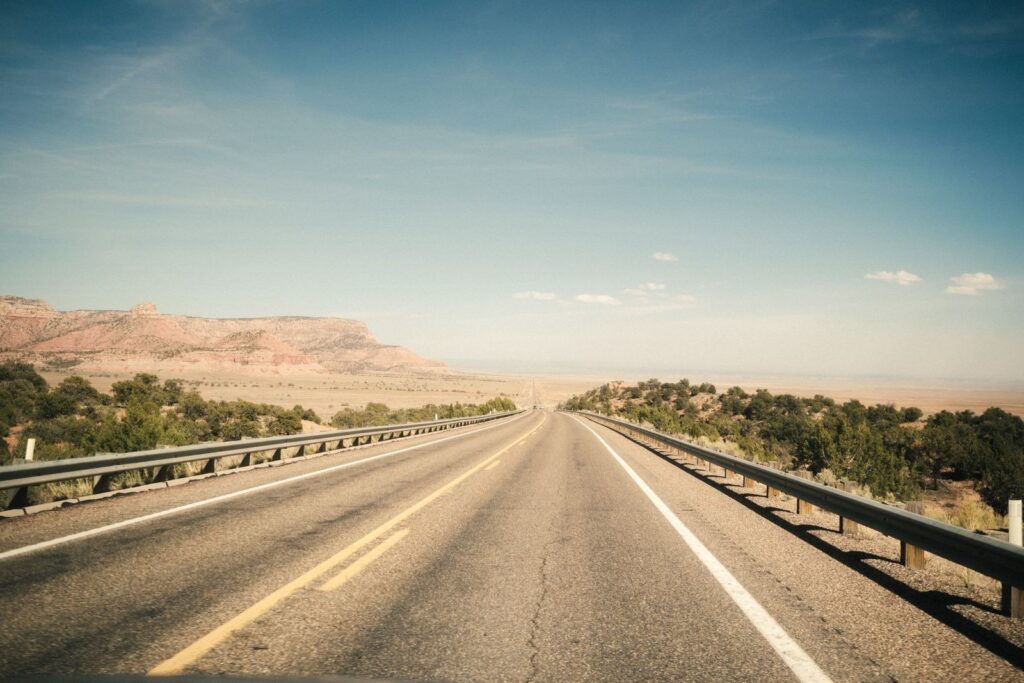
Packing List for National Park Road Trip
A road trip packing list for a national park works best sorted into groups. A road trip mixes driving days, hiking days and camp nights, so one long list falls apart. Layers come first. A base layer, a warm mid layer and a wind or rain shell handle the swing at elevation. Closed-toe shoes with real tread matter more than style on uneven trail surfaces. A second pair for camp keeps wet boots from ruining the next day.
Navigation backup belongs in the same group as layers, not as an afterthought. Cell service drops out across long stretches of park road. A paper map or a downloaded offline map keeps a wrong turn from becoming a lost hour. A printed park brochure, handed out at most entrance stations, doubles as a map and a reminder. For a smaller example of the same logic, a day trip to a state canyon park rewards the same layers and footwear.
America the Beautiful Pass Cost
The America the Beautiful pass costs $80 a year. It covers the entrance fee at every national park plus many other federal recreation sites, per the National Park Service. A visitor 62 or older can buy the same coverage for $20 a year, or $80 for a lifetime version. That version also unlocks a 50 percent discount on some camping and boat-launch fees. For a two- or three-park loop, the math above decides it. Two stops usually cost less paid individually, and three or more favor the pass.
Bear Canister Rules
Bear canisters and food lockers are not optional in bear country. The National Park Service specifies exact placement. A hard-sided canister goes on flat ground 100 feet or more from the tent. Keep it away from cliffs and water sources. Food, trash and anything scented has to stay out of a tent or backpack at all times. A picnic-area cooler stays within arm’s reach rather than left unattended. A vehicle can hold food only in daylight hours, out of sight, with the windows closed. Never use a truck bed, per the National Park Service.
What should you not bring on a road trip?
Heavy cotton clothing is the first thing to cut. It stays wet for hours once damp from rain, sweat or a stream crossing. A single pair of jeans for driving days is fine. A full cotton wardrobe adds bulk without keeping anyone warm. Scented lotions, perfume and strong deodorant belong on the leave-home list in bear country. The rules that apply to food apply to anything with a smell.
Skip the extra folding chairs, the second cooler and the full-size pillow on a multi-park trip. Trunk space fills up fast once camp gear, layers and a week of food share the same vehicle. A packable daypack does the job of a second bag for trailhead stops. It does not eat the space a full duffel needs. The same instinct applies to a multi-day coastal road trip, where trunk space runs out just as fast.
Road Trip Essentials Packing List
Sandals and flip-flops belong at the campsite, not on a trail. Loose footwear is a leading cause of turned ankles on rock and root. A cotton hoodie as the only warm layer is another common mistake. It soaks through on a sweaty climb and offers no insulation on the descent. Anyone packing a headlamp should also pack spare batteries. A dead light at dusk on an unfamiliar trail turns a short hike into a rescue call.
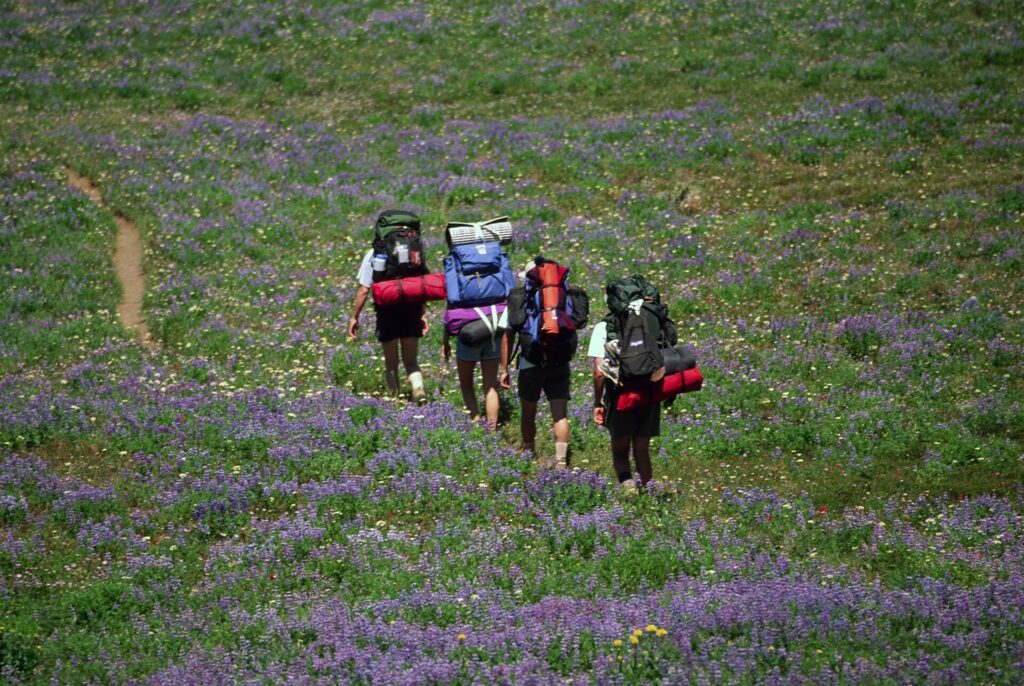
Where do you need a bear canister?
Requirements vary by park and by zone within a park. Check the specific unit on the itinerary rather than assuming. Yosemite requires bear canisters in most backcountry zones. Glacier Bay requires bear-resistant containers for backcountry camping, per the National Park Service. Some high-use frontcountry campgrounds provide metal bear boxes instead. A canister is not always the required tool. Checking the park’s food storage page before the trip avoids a citation or a ruined ice chest.
National Park Camping Reservations
Many national park campgrounds book through a central reservation system. Popular sites fill months ahead for summer weekends. Some parks also run timed-entry systems for the busiest hours of peak season. Check the park’s current entry and camping rules before packing the car. A trip across more than one park benefits from booking camp nights in driving order. Booking ahead matters on a shorter outing too, the way a reef boat trip fills before the weekend.
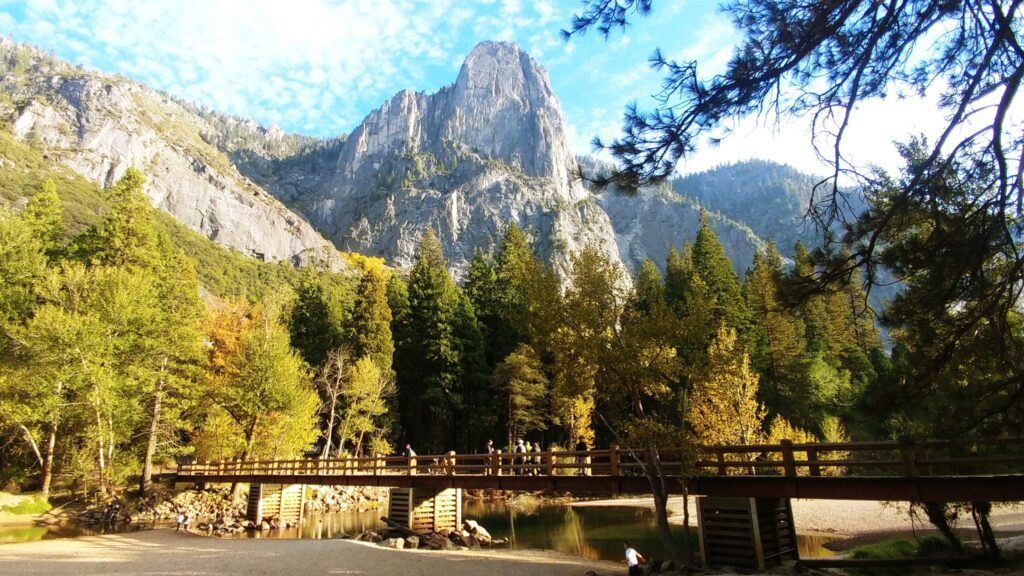
Paper Map for Road Trip
Pack one. Cell coverage disappears across long stretches of park road. A dead phone battery should not be the only navigation failure of the day. A paper map costs nothing to carry and works with no signal, battery or data plan. Pair it with a physical park brochure from the entrance station. It often lists the same closures and shuttle schedules a website would show.
Best Road Trip Packing List
I have layered up before sunrise on a farm often enough to trust a cheap fleece over a stylish jacket. That same instinct should drive a road trip packing list. Layers, real shoes, a paper map and a food storage plan matter more than anything else in the trunk. Build the trip around the $80 America the Beautiful pass and the sourced food storage rules. Add a realistic leave-home list. The long drive between parks then becomes the easy part.
Frequently asked questions about a road trip packing list
Do I need a bear canister?
No. Only certain parks and backcountry zones require one. Check the specific park’s food storage page, such as Yosemite’s or Glacier Bay’s, before the trip.
How much is the America the Beautiful annual pass?
The annual pass costs $80 for most visitors and $20 for visitors 62 and older, per the National Park Service. A lifetime senior pass is $80. Measured against Grand Canyon’s $35 vehicle fee, two park stops total $70 and stay under the pass price, while a third stop pushes per-park fees past it, so the pass wins on any trip with three or more parks.
Can you keep food in your car while camping?
Food can stay in a parked car only during daylight hours, out of sight, with the windows closed and never in a truck bed, per the National Park Service.
How far should a bear canister be from your campsite?
At least 100 feet from the campsite, on flat ground away from cliffs and water, per the National Park Service.
Should you bring a paper map on a road trip?
A paper map earns its place. Cell service drops out across long stretches of park road. A paper map or offline map still works with no signal.
Prices are approximate, current as of publication, and change frequently — confirm the latest price with the park, operator or provider before you go.
Updated September 20, 2026.
Photo credits: (1) Backpackers crossing a wildflower meadow on… — U.S. Forest Service, U.S. Government work, public domain, via Wikimedia Commons.