

Some links on our site may earn us a commission at no extra cost to you. Learn more.
Cozumel is one of the most reliable places in the Caribbean to snorkel without a scuba card. The island sits on a healthy stretch of the Mesoamerican Reef. Visibility on a normal day runs 60 to 100 feet. Most of the good sites are a short boat ride from the west-side hotels, and a couple are a walk-in from the beach. Nothing here requires certification, just a mask that fits and a willingness to let the current do the work.
I’ve spent plenty of time in the water off South Florida and the Florida Keys. Cozumel’s reefs are a different animal. The current does more of the work than it does back home. The water runs clearer, and the wall at Palancar drops off fast enough to catch most first-timers off guard. It’s easy snorkeling for a strong swimmer. It’s manageable for a nervous one too, as long as you let the drift do the moving instead of fighting it.
Best Snorkeling Spots in Cozumel

The best snorkeling in Cozumel lines up along the island’s west side. The reefs sit in the lee of the wind, and the water stays calm most mornings. Palancar and Colombia are the two reefs every boat tour visits. Chankanaab and the shore spots near town are the cheaper way in if you’d rather skip the boat entirely.
| Site | Access | Depth | Cost |
|---|---|---|---|
| Palancar Reef | Boat only | 10–80 ft | Included in tour + marine park fee |
| Colombia Reef | Boat only | 10–90 ft | Included in tour + marine park fee |
| El Cielo | Boat, then wade | 3–5 ft | Included in most reef tours |
| Chankanaab | Taxi or rental car | 5–35 ft | $31 admission + $15 gear rental |
| Money Bar (Dzul-Ha) | Taxi or walk-in | 3–15 ft | Free shore access; gear rental extra |
| Punta Sur | Taxi or rental car | Shallow reef flat | $25 admission + $15 gear rental |
Bring your own mask if you have one that fits well. Rental masks leak, and a leaking mask ruins a reef more than current or visibility ever will. Reef-safe sunscreen, a rash guard and a dry bag for your phone round out what you actually need.
Most boats require a snorkel vest, confident swimmer or not. It’s easier for the crew to keep track of a whole group once everyone is drifting. Getting to the boat is rarely the hard part either — most snorkel operators leave from marinas a short walk from the cruise piers and the main hotel strip. A rental car only matters if you’re also driving yourself out to Punta Sur or Chankanaab on your own schedule.
Palancar Reef
Palancar isn’t one reef but a run of coral formations along a wall. Palancar Gardens, Horseshoe, Bricks and Caves are the names you’ll hear from a boat captain. The wall drops from around 10 feet down well past recreational depth. Snorkelers stay up top, where the coral heads and swim-throughs are shallow enough to see clearly. The wall itself is really a dive site, not a snorkel one.
The reef holds the biggest fish on this list. Barracuda hang in the current. Eagle rays show up on a good day. There are enough parrotfish and angelfish to keep a mask fogged from looking down too long.
Chankanaab Park
Chankanaab is a private park built around a saltwater lagoon connected to the sea. It’s the easiest reef entry on the island for a nervous swimmer. The entry is a set of stairs, not a rocking boat ladder. There’s a shore reef with sunken statues close enough to see from the beach chairs.
General admission runs $31 for adults and $22 for children 4 to 12, per the park’s own site. Snorkel gear rents for about $15. It’s open 8 a.m. to 4 p.m., Monday through Saturday. Scuba diving, snuba, and the dolphin and manatee programs all cost extra on top of admission. The lagoon itself is calm enough for a young kid who isn’t ready for the open reef yet, which is most of why families end up here over a boat tour.
El Cielo Sandbar
El Cielo is a shallow sandbar off Punta Sur, not a reef. Most Palancar and Colombia tours add it as a third stop. The water there is barely waist-deep and full of starfish. Boats aren’t supposed to anchor directly on the sandbar. The crew idles nearby, and you wade or swim the last stretch in.
It’s the stop kids and nervous swimmers tend to like best. Nobody has to think about current here. Skip picking the starfish up for a photo. It stresses the animal, and it’s exactly the kind of handling the marine park rules further down prohibit. The stop itself rarely runs more than fifteen minutes, since there’s only so much sandbar to see, but it’s a good breather between the two reefs.
Snorkeling off the Beach

You don’t need a boat to see a real reef in Cozumel. Money Bar, the beach club that used to be called Dzul-Ha, sits on a stretch of shore reef a short taxi ride south of the cruise piers. It’s an easy walk-in over sand before the coral starts, and taxis line up right at the entrance for the ride back.
Punta Sur’s admission also includes a shallow reef flat along its beach, on top of the lighthouse and crocodile lookout most people go there for. Both spots are slower and shallower than the boat sites. That’s the point if you’d rather skip the ride out. Neither one carries the marine park wristband fee the boat tours do. Gear rents on site at either spot if you didn’t pack your own, and a beach chair or locker runs a few dollars more.
Cozumel Snorkeling Tours
A half-day snorkel tour to Palancar, Colombia and El Cielo runs about four hours door to door. Most trips include gear, a guide, and snacks or lunch on the boat. Cozumel Tours, a local operator, lists its three-reef trip at $69 per person on its own site. Safe Tours Cozumel runs a similar route by panga boat for $44.99 per person. Neither price includes the marine park fee, which gets collected separately at check-in.
| Operator | Duration | Price | Marine park fee |
|---|---|---|---|
| Cozumel Tours | ~4 hours | $69 per person | $13 per person, paid separately |
| Safe Tours Cozumel | ~4 hours | $44.99 per person | $11 per person, paid separately |
Cruise-ship excursion desks sell the same three reefs for more. Most of that markup pays for the convenience of walking off the ship straight onto a waiting bus. Booking directly with either operator, or arranging a boat at the pier yourself, gets you the same reefs for less if your ship day has the time. If you’re arriving by ship, our cruise packing list covers what to bring for a reef stop like this one.
Cozumel Marine Park Fee
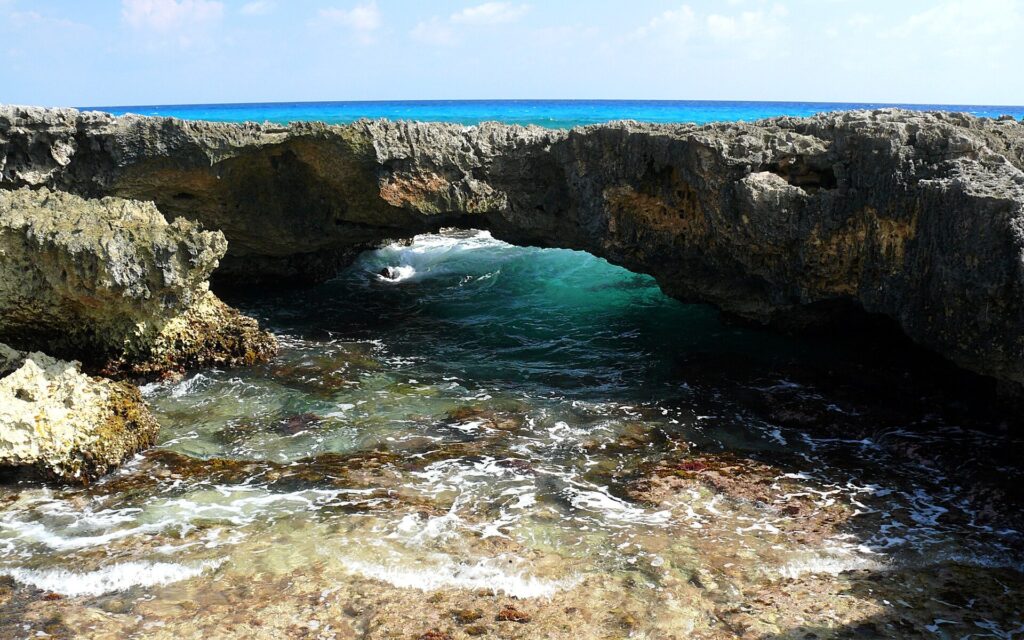
Every boat trip onto Palancar, Colombia or El Cielo passes through the Arrecifes de Cozumel National Park. Mexico’s National Commission of Protected Natural Areas set the park aside in 1996, at roughly 12,000 hectares, according to CONANP’s page for the park.
Boat operators collect a daily conservation fee, commonly quoted around $13, as a wristband at check-in. That money funds reef monitoring, the permanent mooring buoys that keep boats from anchoring on coral, and the rangers who patrol the park. Shore snorkeling from a beach club or park entrance doesn’t carry this fee. It’s strictly a boat-trip charge. The wristband covers the whole day, so a two-stop tour and a five-stop tour cost the same fee.
The park’s rules are simple and enforced. Standing on or touching coral is off limits. So is collecting shells or starfish. Feeding fish is banned too, and so is sunscreen that isn’t biodegradable. NOAA’s own research backs that last rule — the agency lists oxybenzone and octinoxate, common chemical sunscreen filters, among the compounds that can harm coral, and recommends mineral sunscreen instead.
Best Time to Go Snorkeling
Cozumel’s reefs run on a steady current that flows south to north along the island’s west coast. That’s why almost every boat trip is a drift snorkel rather than an out-and-back. You get in at one end of a reef, drift with the current over the coral, and the boat picks you up wherever you surface. Fighting the current wastes energy for nothing. Going with it is most of the appeal.
Mornings are usually calmer and clearer than afternoons. Wind picks up by midday, and cruise-ship traffic stirs the closer sites once several ships are in port. Water temperature barely changes across the year. Visibility does drop during the rainier late-summer and fall months. Winter and spring are the steadier stretch for a first trip.
Is Snorkeling Good in Cozumel?
A few questions come up more than the rest.
Is snorkeling good in Cozumel? Yes. Cozumel sits on a healthy piece of the Mesoamerican Reef, with some of the clearest water in the Caribbean. Reefs like Palancar and Colombia are shallow enough on top to see well without dive gear.
How much does it cost to snorkel in Cozumel? A three-reef boat tour runs $45 to $85 per person, depending on the operator, plus a separate marine park fee of $11 to $13. Shore snorkeling at Money Bar, or park admission at Chankanaab or Punta Sur, costs less and skips the marine park fee.
Can you snorkel on your own in Cozumel? Yes, from shore. Money Bar and the beach at Punta Sur both put you over reef without a boat. The deeper wall sites, like Palancar, are boat-only.
Can you snorkel off the beach in Cozumel? Yes. Money Bar, formerly Dzul-Ha, is the easiest walk-in reef access on the island. Punta Sur’s admission includes a shallow reef along its beach too.
What is the Cozumel marine park fee for? It funds the reef monitoring, mooring buoys and ranger patrols that protect the reef system inside Arrecifes de Cozumel National Park, according to CONANP.
Prices are approximate, current as of publication, and change frequently — confirm the latest price with the retailer before buying.
Published October 3, 2026.
Photo credits: (1) featured, Palancar Beach on Cozumel's southwest… — dronepicr, CC BY 2.0, via Wikimedia Commons; (2) Palapas and swimmers on the beach at… — James Willamor, CC BY-SA 3.0, via Wikimedia Commons.